
Japan’s iPS Heart Sheet Surgery Could Lab-Grown Heart Cells Change Heart Failure Treatment?
A pioneering Japanese procedure has brought iPS-derived heart muscle cells into real-world heart failure care—but scientists are still watching closely to see how well the treatment works over time.
Japan has performed the first heart surgery using an iPS cell-derived cardiac muscle sheet after the treatment became covered by public health insurance. The milestone marks an important step for regenerative medicine, while long-term safety and effectiveness remain under study.
For someone living with severe heart failure, the future can sometimes feel like a narrowing road. Medicines may no longer control symptoms well enough. Procedures and devices can become necessary. In the most advanced cases, a heart transplant may be considered.
Now, Japan has taken an important step toward a different approach: using laboratory-grown heart muscle cells to support a damaged heart.
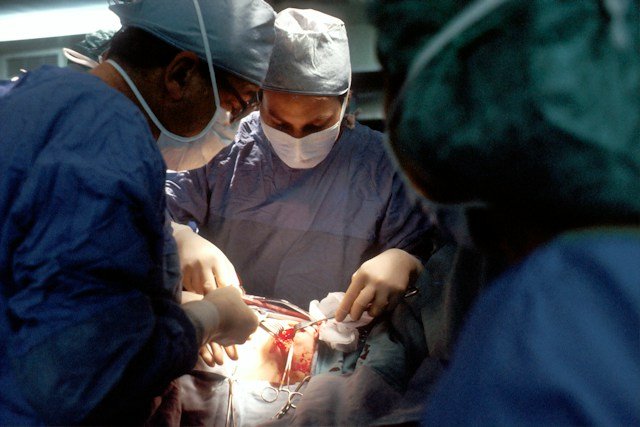
On September 29, 2026, doctors at Osaka Keisatsu Hospital performed the first transplantation of RiHEART, an iPS cell-derived cardiac muscle cell sheet, after the treatment became eligible for Japan’s public health insurance system. The patient was a woman in her 50s with severe heart failure, and the procedure reportedly lasted about 50 minutes. Her condition was stable after surgery.
It is a remarkable moment—but it is also the beginning of a much longer medical story.
What exactly is an iPS heart sheet?
The treatment begins with induced pluripotent stem cells, better known as iPS cells.
These cells can be created by reprogramming mature human cells so they return to a flexible state. Scientists can then guide them toward becoming specialized cell types, including heart muscle cells.
With RiHEART, those heart muscle cells are grown into thin sheets and placed directly onto the surface of a patient’s heart. The treatment is intended for people with severe heart failure caused by ischemic cardiomyopathy when standard treatment has not provided enough benefit.
The idea is not simply to replace the entire heart.
Instead, researchers hope the transplanted cells can support damaged heart tissue and contribute to improved cardiac function. The sheets may also release biological signals that encourage blood-vessel formation and influence the surrounding tissue.
That makes the therapy fundamentally different from a traditional heart transplant.
From laboratory research to an actual patient
The latest surgery is especially significant because RiHEART has moved beyond research-only treatment.
Japan’s Ministry of Health approved RiHEART in March 2026 under a conditional and time-limited approval system. The approval lasts seven years, during which additional evidence must be collected. Japan’s medical authorities describe the product as an iPS-derived cardiomyocyte sheet for severe heart failure associated with ischemic cardiomyopathy.
Public insurance coverage began on September 1, 2026. Japan’s Central Social Insurance Medical Council set the listed price at ¥53.2 million per treatment, although the country’s high-cost medical care system can substantially limit what an eligible patient pays out of pocket.
That distinction matters. A treatment can have a very high official medical price without that being the same amount an insured patient personally pays.
What have earlier studies shown?
The excitement around RiHEART is not based solely on this one operation.
Japan’s health ministry has reviewed earlier clinical data involving eight patients with severe chronic ischemic cardiomyopathy. The study was open-label and uncontrolled, meaning there was no comparison group. The ministry reported improvement in the primary outcome in two of the eight patients, while different secondary measures showed improvement or maintenance in individual patients.
Those findings provide a reason for continued investigation, but they are not the same as proof that the treatment works for everyone.
That is one of the most important points for patients and families to understand.
A successful operation does not automatically establish long-term effectiveness.
Why long-term monitoring matters
Cell-based therapies introduce questions that ordinary medicines do not always raise.
Researchers need to know how the transplanted cells behave over many years, whether heart function improves in a meaningful and lasting way, and whether unexpected complications emerge.
Japan has already established long-term follow-up research for people who received the iPS-derived cardiac cell sheets. The study is examining survival, hospitalizations and other cardiac events, changes in heart function, exercise tolerance and the possibility of tumor development.
That last point illustrates why monitoring matters so much in regenerative medicine.
The goal is not simply to ask, “Did the surgery go well?”
Doctors also need to know, “What happens to the patient months and years later?”
Could this change heart failure care?
It is far too early to say.
RiHEART is currently approved for a specific group of patients, not everyone with heart failure. The available clinical evidence is also limited, and the product’s approval is conditional and time-limited.
Cuorips has said it plans to collect additional patient data as the therapy enters clinical practice. Japanese authorities will use that evidence to assess whether the treatment’s benefits and safety justify continued approval.
Still, the significance of the moment is difficult to ignore.
For decades, iPS cells were largely associated with laboratory research and the promise of future regenerative medicine. In Japan, that promise is now beginning to reach actual patients.
The September 2026 procedure does not mean scientists have solved heart failure. It does mean that a once-experimental idea has crossed another important boundary—from laboratory development into insured clinical treatment.
For people living with severe heart disease, that distinction matters.
The next chapter will not be written by headlines alone. It will be written by the patients who receive the treatment, the years of follow-up that come afterward, and the evidence showing whether these remarkable cell sheets can provide lasting benefits safely.
For now, Japan’s first insured RiHEART procedure represents something more measured—and perhaps more meaningful—than a miracle cure: a new experiment in how medicine might help a damaged heart rather than simply manage its decline.
About Wellcore Weekly: Wellcore Weekly covers health, wellness, nutrition, sleep, fitness, and medical research with timely, easy-to-understand updates for everyday readers.