
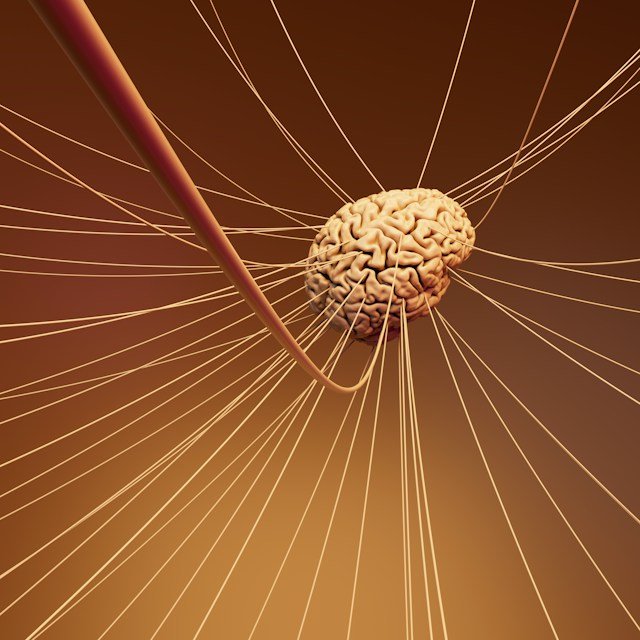
The Small Signs Your Nervous System May Be Sending You
A routine neurological assessment can uncover changes you might otherwise overlookWe tend to notice changes in our heart rate, blood pressure or weight. But the nervous system is different. Some problems involving the brain, spinal cord or peripheral nerves can begin with symptoms that seem easy to dismiss—a little numbness in the feet, occasional dizziness, changes in balance or difficulty remembering something that happened recently.
That does not mean every headache or forgotten name signals a neurological disease. Most everyday symptoms have many possible explanations. But when changes persist, worsen or appear suddenly, they deserve attention.
This is where a routine neurological assessment can be useful. It is a straightforward clinical examination that gives a healthcare professional information about how different parts of the nervous system are working.
What happens during a neurological assessment?
A neurological examination does not necessarily involve complicated equipment. Much of it consists of simple questions and physical tests that can be performed during an appointment.
The clinician may begin by observing how you speak, move and respond to questions. They may ask about your symptoms, medications, medical history and when you first noticed a change.
The examination commonly looks at several areas of nervous-system function.
1. Mental status and memory
Your clinician may check your alertness, orientation, attention, language and memory.
You might be asked where you are, what day it is, or to remember a few words and recall them later. These simple exercises can provide information about cognitive function.
A single mistake does not diagnose a neurological condition. Doctors consider the results alongside your history, symptoms and other findings.
2. Eye and facial movements
The cranial nerves control many important functions involving the eyes, face, hearing, swallowing and other movements.
A small penlight may be used to examine how your pupils respond to light. You may also be asked to follow a finger or object with your eyes, smile, raise your eyebrows or move your tongue.
These quick tests can help clinicians identify differences that may require further investigation.
3. Strength and movement
Changes in muscle strength can sometimes provide clues about problems affecting the brain, spinal cord or peripheral nerves.
During the examination, you may be asked to push or pull against the clinician’s hands. Grip strength may also be compared between the two sides of the body.
The goal isn’t to see how strong you are overall. It is to look for patterns, particularly unexpected differences between sides.
4. Sensation and nerve function
Peripheral nerves carry information about touch, temperature, pain and vibration from the body to the brain.
A clinician may gently touch different areas of your arms, legs, hands or feet and ask whether the sensation feels the same on both sides.
This can be particularly relevant for people with diabetes, because persistently elevated blood glucose can damage peripheral nerves over time.
Numbness, burning or persistent pins-and-needles sensations should not automatically be blamed on getting older.
5. Reflexes
Reflex testing is one of the most familiar parts of a neurological examination.
A clinician may use a reflex hammer to gently tap a tendon, commonly below the kneecap. The resulting movement provides information about pathways involving the nerves and spinal cord.
Reflexes naturally vary between individuals, so clinicians interpret them in context rather than treating one unusual response as a diagnosis.
6. Balance and coordination
Your nervous system constantly coordinates information from your brain, eyes, muscles and inner ear to help you stay balanced.
You may be asked to walk normally, walk heel-to-toe, stand in a particular position or touch your finger to your nose.
Changes in coordination or gait can have many causes, including neurological, muscular, medication-related and inner-ear problems. That is why an examination is more useful than trying to interpret an individual symptom alone.
When should you seek medical attention?
Some neurological symptoms require urgent assessment.
Sudden facial drooping, weakness or numbness on one side of the body, difficulty speaking, sudden severe confusion, sudden vision changes or a sudden severe headache can be signs of a medical emergency such as stroke.
These symptoms should not wait for a routine appointment.
Other changes may not be emergencies but still deserve medical attention. Persistent numbness, unexplained weakness, repeated falls, worsening balance problems, new tremors or ongoing changes in memory should be discussed with a healthcare professional.
Keeping track of when symptoms occur and whether they are becoming more frequent can also help your clinician understand what is happening.
Protecting neurological health every day
There is no single habit that guarantees lifelong brain and nerve health. But several everyday behaviors support overall neurological well-being.
Managing conditions such as diabetes and high blood pressure is important because uncontrolled vascular risk factors can affect the brain and nerves. Regular physical activity supports cardiovascular health, mobility and balance. Adequate sleep is also important for cognitive and overall health.
A balanced diet, limited alcohol consumption and avoiding tobacco can contribute to long-term health as well.
Perhaps most importantly, don’t automatically dismiss new symptoms as “just aging.”
A simple check can provide useful information
A neurological assessment is not a crystal ball, and it cannot diagnose every brain or nerve condition. Its value comes from combining a person’s symptoms, medical history and physical findings to determine whether further testing is appropriate.
For many people, the examination is quick and uncomplicated.
But if something has genuinely changed—your balance, strength, sensation, speech, coordination or memory—that change is worth discussing.
Your nervous system quietly controls almost everything you do. Paying attention when it behaves differently is one of the simplest ways to take your neurological health seriously.
Photo by notorious v1ruS on Unsplash
About Wellcore Weekly: Wellcore Weekly covers health, wellness, nutrition, sleep, fitness, and medical research with timely, easy-to-understand updates for everyday readers.