
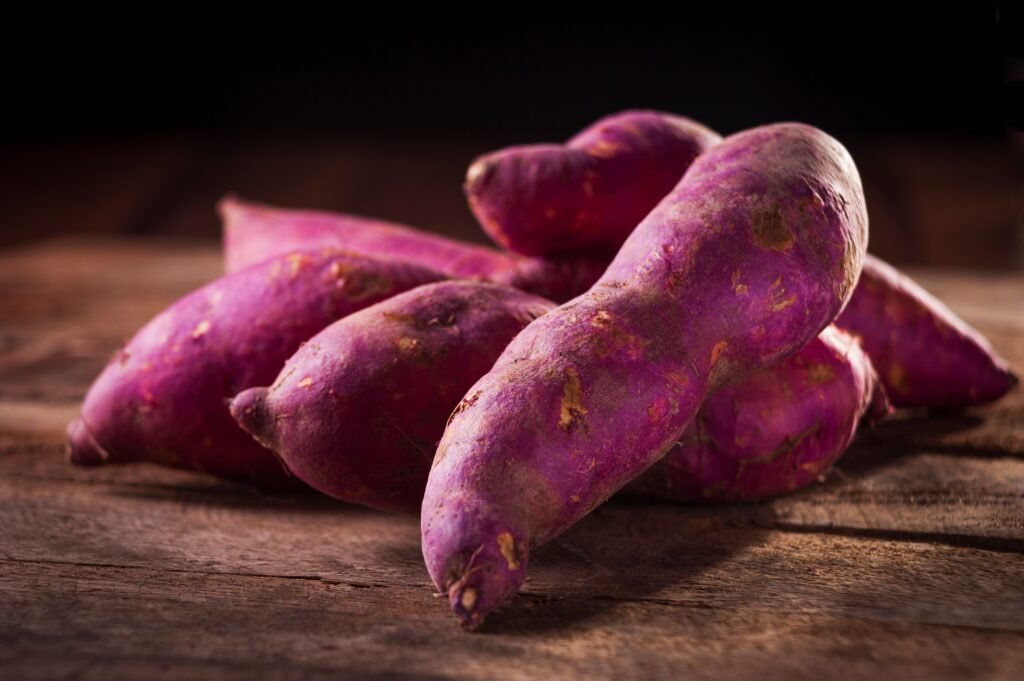
The Humble Tuber That May Be More Powerful Than It Looks
There is something almost unfashionable about the sweet potato.
It does not come in an expensive bottle. It does not require a prescription. And it has none of the glamour surrounding today’s most talked-about nutrition and metabolic-health products.
Yet this simple root vegetable contains a surprisingly diverse combination of carbohydrates, fiber, carotenoids, minerals and other plant compounds. Research continues to explore how these components may influence blood sugar, digestion, cardiovascular health and inflammation.
That does not make sweet potatoes a natural replacement for medication. But it does make them an interesting food for older adults who want to build healthier everyday meals.
The resistant-starch surprise
One of the most interesting features of sweet potatoes is their starch.
When certain starchy foods are cooked and then cooled, some of the starch can reorganize into resistant starch. Instead of being completely digested in the small intestine, resistant starch can reach the large intestine, where gut microbes ferment it and produce short-chain fatty acids.
A 2026 review of human studies found that resistant starch, particularly RS2 and RS3, has been associated with improvements in measures such as post-meal glucose, insulin sensitivity and blood lipids. The researchers also emphasized that results are inconsistent and depend on the type and amount of resistant starch consumed.
This is where the sweet potato story becomes particularly interesting.
Gut fermentation can influence hormones including GLP-1 and PYY, which participate in appetite and glucose regulation. But it would be misleading to describe a cooled sweet potato as a “natural GLP-1 drug.” The hormonal effects of food are much smaller and more complex than the pharmacological effects of GLP-1 medicines.
For older adults, the practical message is simpler: a whole-food carbohydrate containing fiber and resistant starch can be a very different nutritional experience from a highly refined carbohydrate.
Orange, purple or cream? The color matters
Sweet potatoes are not nutritionally identical.
Orange-fleshed varieties are especially rich in beta-carotene, which the body can convert into vitamin A. Vitamin A is important for normal vision and immune function.
Purple varieties contain high levels of anthocyanins, the pigments responsible for their deep color. Research reviews describe these compounds as biologically active and potentially relevant to metabolic and cardiovascular health, although much of the evidence comes from laboratory, animal or preliminary human research rather than definitive clinical trials.
That distinction matters.
A food can contain an impressive molecule without proving that eating it prevents a particular disease. Nutrition science rarely works that neatly.
Still, adding different naturally colorful vegetables to the diet is a sensible way to increase dietary variety.
There is an Okinawan connection—but it needs context
Sweet potatoes really did play an enormous role in the traditional Okinawan diet.
Historical dietary research suggests that around 1950, sweet potatoes supplied approximately 69% of total daily calories in Okinawans, with rice contributing about 12%.
That is fascinating, but it does not prove that sweet potatoes were responsible for Okinawan longevity.
Traditional Okinawan health patterns involved much more than one food. They included vegetables, legumes, limited amounts of animal foods, relatively low calorie intake and other lifestyle and cultural factors.
So the better lesson is not “eat sweet potatoes and live to 100.”
It is that a nutrient-dense staple can fit into a broader dietary pattern associated with healthy aging.
What about blood sugar?
Sweet potatoes are still a carbohydrate-rich food, so people with diabetes or other blood-sugar concerns should not assume that unlimited portions are automatically harmless.
At the same time, the nutritional context matters.
A sweet potato eaten as part of a meal containing protein, vegetables, healthy fats and other sources of fiber is different from consuming a highly processed, rapidly digested carbohydrate on its own.
The resistant-starch research is encouraging, but it is not a reason to abandon prescribed diabetes treatment or glucose monitoring.
For older adults managing diabetes, the most useful question is usually not “Is this food good or bad?” but “How does this food fit into my overall eating pattern and glucose response?”
A little fat can help with beta-carotene absorption
There is another useful detail hiding in the science.
Beta-carotene is fat-soluble, meaning dietary fat can influence its absorption. Experimental research on orange-fleshed sweet potatoes has found that adding oil can increase the amount of beta-carotene becoming available during digestion.
That does not mean a sweet potato needs to be covered in butter.
A modest amount of a nutritious fat—such as olive oil, nuts or seeds—can be part of a balanced meal.
Cooking itself also changes the food. A 2025 study found that different cooking methods affected beta-carotene retention and other plant compounds in biofortified sweet potatoes.
The overlooked advantage for older adults
Perhaps the most important benefit is less glamorous.
As people age, maintaining a varied diet becomes increasingly important. Appetite can change, chewing or swallowing can become difficult, and some people unintentionally eat less. That can make nutrient-dense foods especially valuable.
Sweet potatoes provide carbohydrates for energy alongside fiber and, depending on variety, substantial amounts of carotenoids and other phytochemicals.
They can also be prepared in several ways: mashed, roasted, steamed, added to soups or combined with beans, eggs, fish, yogurt or other protein-rich foods.
That versatility matters.
The bottom line
Sweet potatoes are not medicine, and they are certainly not a replacement for treatments prescribed for diabetes, heart disease or other medical conditions.
But they may deserve more respect than their humble appearance suggests.
Their combination of fiber, starch, resistant starch potential, carotenoids and colorful plant compounds makes them a useful part of a varied diet. Current research is particularly interesting around resistant starch, gut fermentation and metabolic health, although stronger human trials are still needed.
For older adults, the takeaway is wonderfully ordinary: you do not necessarily need a complicated “superfood” to improve the quality of your meals. Sometimes the most useful foods are the ones that have been sitting quietly in the produce aisle all along.
About Wellcore Weekly: Wellcore Weekly covers health, wellness, nutrition, sleep, fitness, and medical research with timely, easy-to-understand updates for everyday readers.