
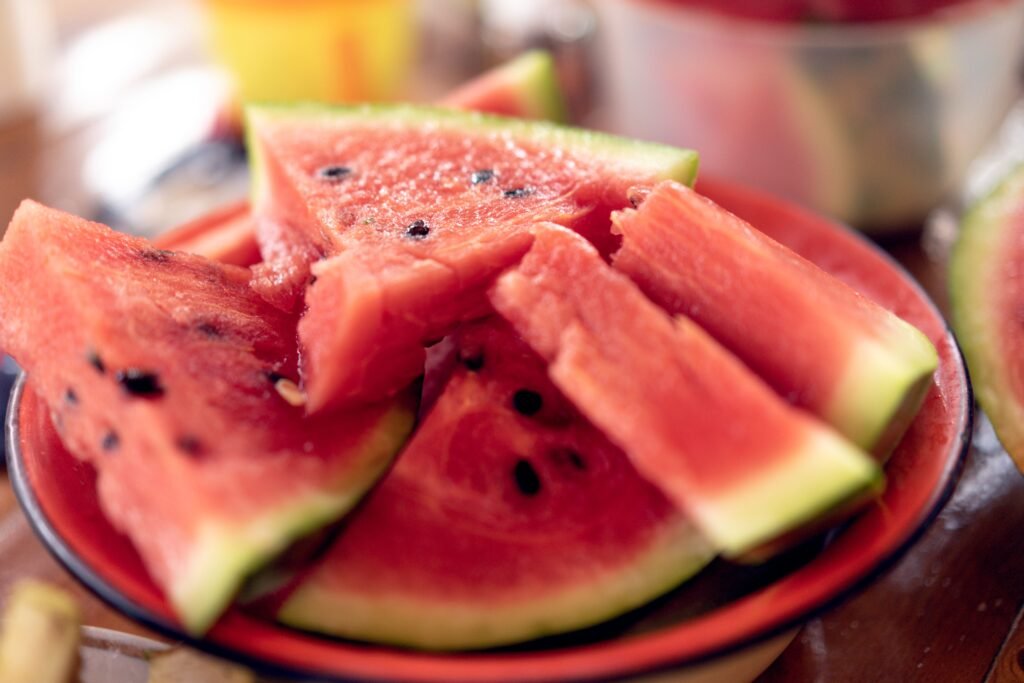
The Overlooked Treasure in the Slice: Why Watermelon Seeds May Be Worth Eating
On a hot day, watermelon is usually celebrated for its juicy flesh and refreshing sweetness. Yet the seeds have a very different nutritional profile.
They are small, but dried watermelon seed kernels contain protein, fat, iron, magnesium, phosphorus and zinc. USDA nutrition data list about 8 grams of protein and 146 mg of magnesium in a 1-ounce serving of dried watermelon seed kernels.
That does not make watermelon seeds a miracle food.
But for older adults looking for practical ways to add more nutrient-dense foods to their meals, they are an interesting option.
Why Are Watermelon Seeds So Nutrient-Dense?
A seed has an important job.
It contains the stored nutrients a developing plant needs before it can produce leaves and begin making energy through photosynthesis. That means seeds naturally contain concentrated protein, fats and minerals.
Research into watermelon genetics has also found substantial variation in seed protein and amino-acid content across different watermelon varieties. A PeerJ-published study examined 211 watermelon accessions and specifically investigated seed-bound amino acids and total protein.
But there is an important distinction.
The nutritional composition of watermelon seeds does not automatically mean that eating them will produce the same health effects in humans.
That is where some online claims go too far.
What Is Actually Inside the Seed?
According to USDA-derived nutrition data, a 1-ounce serving of dried watermelon seed kernels provides approximately:
- 8 grams of protein
- 13.4 grams of fat
- 146 mg of magnesium
- 2.9 mg of zinc
- 2.1 mg of iron
- 214 mg of phosphorus
- About 158 calories
The fat is mostly unsaturated. The USDA data show substantially more polyunsaturated and monounsaturated fat than saturated fat.
For older adults, the protein content may be particularly interesting.
Maintaining adequate protein intake becomes increasingly important with aging because muscle mass and strength can decline over time. A small serving of seeds can therefore contribute to an overall protein-rich eating pattern.
It should not, however, be considered a replacement for major protein sources such as beans, dairy, eggs, fish, poultry, meat or other foods that fit an individual’s dietary needs.
Magnesium Is One of the More Interesting Nutrients
Magnesium is involved in hundreds of biochemical reactions, including processes related to normal muscle and nerve function and energy metabolism.
Dried watermelon seed kernels are particularly rich in this mineral. One ounce provides about 146 mg according to USDA-derived data.
That sounds impressive—but portion size matters.
Watermelon seeds are also calorie-dense because they contain a substantial amount of fat. Eating a large quantity simply because a food is nutritious is not necessarily better.
A small amount incorporated into meals may be more practical than treating the seeds like a supplement.
What About Zinc and Iron?
Watermelon seeds also provide zinc and iron.
Zinc contributes to normal immune function and many other biological processes, while iron is essential for making hemoglobin, the protein that carries oxygen in red blood cells.
But the iron in plant foods is non-heme iron, which is absorbed differently from the heme iron found in animal foods.
Absorption can also be influenced by other components of a meal.
That is one reason it is better to think of watermelon seeds as one contributor to a varied diet, rather than as a stand-alone solution for an iron or mineral deficiency.
If a blood test has shown that you are deficient in iron or another nutrient, talk with a healthcare professional about the appropriate treatment rather than trying to correct the deficiency with seeds alone.
Does Eating the Black Seed Actually Matter?
There is another practical question: the hard black seed you spit out is not necessarily the same thing as the shelled kernel represented in nutrition databases.
The USDA entry specifically refers to watermelon seed kernels, dried.
A whole, hard seed swallowed without much chewing may not release all of its internal nutrients efficiently.
That does not mean raw watermelon seeds are dangerous. It simply means that preparation and chewing can affect how easily the edible interior is accessed.
Commercially prepared watermelon seed kernels are commonly dried or roasted, while whole seeds can also be incorporated into foods after appropriate preparation.
A Simple Way to Add Them to Your Diet
You do not need to turn watermelon seeds into a complicated health project.
If you enjoy them and can obtain edible watermelon seed kernels, try a modest portion as part of an ordinary meal.
Sprinkle roasted kernels over:
- A green salad
- Plain yogurt
- Oatmeal
- A grain bowl
- Vegetable soup
- Homemade trail mix
You can also combine them with other seeds and nuts for variety.
For older adults, texture is worth considering. Hard, crunchy seeds may be uncomfortable for people with dental problems or swallowing difficulties. If that applies to you, choose a softer preparation or discuss suitable textures with your healthcare professional.
Could Watermelon Seeds Help Your Heart?
This is where it is important to separate the seed evidence from research on the fruit itself.
Several studies have investigated watermelon and L-citrulline in relation to cardiovascular health. A 2025 systematic review and meta-analysis of 15 randomized controlled trials involving 415 middle-aged and older participants reported reductions in blood pressure with L-citrulline supplementation and watermelon intake.
However, that does not prove that watermelon seeds themselves lower blood pressure.
Another 2025 review found that watermelon intake did not significantly improve certain measures of vascular function, while the evidence for L-citrulline was more promising.
So watermelon seeds should not be marketed as a treatment for high blood pressure or heart disease.
Their value is more straightforward: they are a nutrient-dense food that can fit into an otherwise balanced eating pattern.
One Small Food, One Useful Change
There is something appealing about discovering nutritional value in a food part we have become accustomed to throwing away.
Watermelon seeds are not a secret cure. They will not reverse aging, replace medication or single-handedly protect your heart.
But they do offer protein, unsaturated fats and several important minerals in a relatively small serving.
And that can be useful.
For older adults especially, healthy eating does not have to mean chasing exotic powders or expensive “superfoods.” Sometimes it is simply about finding more ways to include nutritious foods you already recognize.
The next time you cut into a watermelon, you might look at those little black seeds differently.
You do not have to eat them.
But you may no longer want to automatically throw them away.
Photo by Atlantic Ambience: https://www.pexels.com/photo/sliced-watermelon-in-close-up-photography-12932797/
About Wellcore Weekly: Wellcore Weekly covers health, wellness, nutrition, sleep, fitness, and medical research with timely, easy-to-understand updates for everyday readers.