
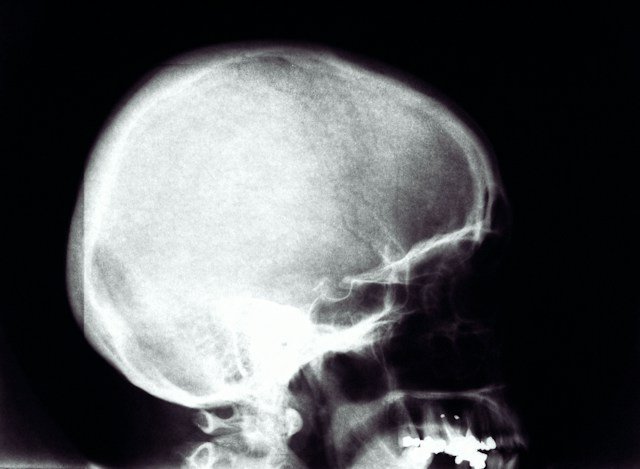
The Invisible Injury How Sports Head Trauma Can Affect Brain Health
When a sports injury is difficult to see
A broken bone is usually obvious. A head injury can be very different.
An athlete may walk away from a collision without an obvious physical injury while experiencing symptoms such as headache, dizziness, confusion, nausea or difficulty concentrating. That is one reason sports-related concussion and traumatic brain injury remain important public-health concerns.
Contact and collision sports can expose athletes to repeated impacts, but head injuries can also occur in activities where they may not be expected. The seriousness of an injury depends on many factors, including the force of the impact, symptoms, previous injuries and how quickly appropriate medical care is provided.
The growing understanding of concussion has changed the way doctors, coaches and sports organisations think about player safety. Instead of treating a head impact as something an athlete should simply “play through,” current approaches place greater emphasis on recognising symptoms and allowing appropriate recovery.
What happens after a concussion?
A concussion is a form of mild traumatic brain injury. It can temporarily affect how the brain functions following a blow or jolt to the head or body.
Symptoms are not always immediate. Some people develop problems with concentration, balance, vision, sleep or mood hours after an injury.
Common concussion symptoms can include:
- Headache or pressure in the head
- Dizziness or balance problems
- Nausea
- Sensitivity to light or noise
- Feeling unusually tired
- Difficulty concentrating or remembering
- Changes in sleep
- Feeling slowed down or mentally foggy
Most people with concussion improve over time, but recovery is not identical for everyone. Some people experience symptoms for longer and may need medical assessment and rehabilitation.
This is why returning to sport should not be based simply on whether an athlete feels able to continue.
Why repeated head impacts are receiving more attention
One of the biggest questions in sports medicine concerns repeated head impacts.
Researchers have been studying whether repeated head impacts can contribute to neurological problems later in life. Chronic traumatic encephalopathy, or CTE, is a brain disease associated with long-term exposure to repeated head impacts and can currently only be definitively diagnosed by examining brain tissue after death.
Importantly, having a history of concussion does not mean that a person will develop CTE.
Scientists are still working to understand exactly how factors such as the number and intensity of impacts, duration of exposure and individual differences influence long-term risk.
That uncertainty is not a reason to ignore the issue. Instead, it highlights why preventing unnecessary head impacts and improving medical monitoring are so important.
Young athletes need particular attention
Brain health is especially important when children and teenagers participate in organised sports.
Young athletes may not always recognise or report symptoms after an impact. They may also worry about missing an important match or letting their teammates down.
Parents, coaches and schools therefore have an important role in creating an environment where reporting symptoms is encouraged rather than discouraged.
An athlete with a suspected concussion should be removed from play and assessed by an appropriate healthcare professional. Returning to sport should follow medical guidance and a gradual return-to-activity process.
The goal is not to frighten young athletes away from sport. Physical activity has many health benefits. The goal is to make participation safer.
The healthcare challenge goes beyond the playing field
A serious head injury can affect much more than an athlete’s ability to compete.
Some people may require follow-up appointments, physical therapy, vestibular rehabilitation, vision-related care or other forms of support. Persistent symptoms can also interfere with school, work, sleep, relationships and everyday activities.
For families, the financial burden can become another challenge.
The exact coverage available for sports injuries varies by country, healthcare system, insurer and policy. Some athletes may have access to extensive medical support, while others face significant gaps in rehabilitation or follow-up care.
This is why discussions about sports safety should include healthcare access—not just what happens during a match.
Prevention is becoming a bigger part of sports medicine
Modern sports safety is increasingly focused on reducing avoidable head impacts rather than relying only on treatment after an injury occurs.
Sports organisations can contribute by improving concussion education, training coaches and officials, enforcing appropriate rules and ensuring that athletes have access to qualified medical assessment.
Equipment can also play a role in reducing certain injuries, although protective equipment cannot eliminate the risk of concussion.
Perhaps the most important cultural change is simple: an athlete should never feel pressured to hide symptoms to stay in the game.
What athletes and families should remember
A head injury deserves attention even when there is no visible wound.
Anyone who develops concerning symptoms after a significant head impact should seek medical care. Emergency assessment is particularly important when there are serious or worsening symptoms, such as repeated vomiting, increasing confusion, seizures, unusual drowsiness or loss of consciousness.
For athletes recovering from concussion, patience is important. Recovery is not a competition, and returning too quickly can complicate the process.
A healthier future for sports
Sports provide enormous physical, social and mental-health benefits. Protecting brain health does not mean removing those benefits. It means making sure athletes can enjoy sport without unnecessary risks being ignored.
The conversation around sports-related brain injury has changed significantly. Concussions are no longer something that should simply be dismissed as “part of the game.”
Better education, faster recognition, appropriate medical assessment and long-term support can help athletes recover safely.
There is still much researchers do not know about the long-term effects of repeated head impacts. But one principle is increasingly clear: brain health deserves the same attention and respect as every other part of an athlete’s health.
Photo by Risto Kokkonen on Unsplash
About Wellcore Weekly: Wellcore Weekly covers health, wellness, nutrition, sleep, fitness, and medical research with timely, easy-to-understand updates for everyday readers.