
The Biology of Burnout What Neuroscience Says About Controlling Stress and Fixing Sleep
Constant notifications, long work hours, and financial pressure have made low-grade tension feel like the baseline for a lot of adults — something to manage rather than something to fix. But according to Stanford neurobiologist Dr. Andrew Huberman, who has spent much of his research career studying the nervous system’s stress and arousal circuits, calm isn’t random or lucky. It follows identifiable biological rules, and there are specific ways to work with those rules rather than against them.
Stress Isn’t Just “In Your Head”
A common assumption is that stress starts in the brain and simply cascades down to the body. In reality, the relationship runs both ways. The brain sends signals to the heart, lungs, and gut, but those organs also send signals back up, shaping how alert or calm you feel moment to moment. That back-and-forth sets your baseline level of arousal — which affects what you notice, how threatening a situation feels, and how ready your body is for action versus rest.
Short bursts of stress aren’t inherently bad; a brief spike in heart rate and focus can sharpen attention and even support immune function. The problem is when that state never gets turned back off — when the nervous system stays locked in low-grade alert mode for weeks or months, which is where chronic fatigue, disrupted focus, and poor sleep tend to take root.
A Real-Time Tool Backed by a Stanford Trial
Telling yourself to “just relax” rarely works, because the brain regions responsible for calm reasoning are themselves compromised during high stress. Instead, researchers point to a faster route: using the body to change the mind, rather than the other way around.
One well-studied technique is the physiological sigh — two inhales through the nose (a full breath followed by a short second inhale), then one long, slow exhale through the mouth. The reflex itself was first mapped by researchers at UCLA and Stanford, and in a 2023 randomized trial published in Cell Reports Medicine, Huberman’s lab, working with Stanford psychiatrist Dr. David Spiegel, found that five minutes of this breathing pattern improved mood and lowered resting respiratory rate more than an equal amount of time spent on mindfulness meditation. The mechanism: shallow, stressed breathing lets tiny air sacs in the lungs called alveoli partially collapse, allowing carbon dioxide to build up. The double inhale reopens them, and the extended exhale clears CO2 and shifts the body toward its parasympathetic, or “rest and digest,” state within roughly 30 seconds.
Sleep Isn’t Separate From Stress — It’s Downstream of It
Poor sleep and poor stress regulation reinforce each other: a bad night measurably lowers your threshold for stress the next day, and unmanaged stress makes it harder to fall and stay asleep. Circadian researchers point to a few specific, well-supported levers here. Viewing natural light within the first hour of waking helps set the timing of the body’s internal clock, which in turn influences when melatonin — the hormone that promotes sleepiness — gets released later that evening. Conversely, bright indoor lighting and screens in the hours before bed can suppress melatonin production, effectively signaling to the brain that it’s still daytime. Cooling the sleep environment also matters: core body temperature needs to drop by a degree or two to initiate and sustain deep sleep, which is part of why a warm room disrupts sleep quality even when total time in bed doesn’t change.
Building Resilience, Not Just Managing It
Beyond passive relaxation, some researchers point to controlled stressors — like brief cold exposure — as a way to build tolerance for real-world stress. Shivering in response to cold releases a compound called succinate, which activates brown fat tissue to help generate heat; separately, learning to keep breathing slow and controlled while your body is under that kind of physiological strain appears to help train the same prefrontal circuits that keep you composed under stress you didn’t choose. The research here is earlier-stage than the breathwork findings, so it’s best treated as a promising direction rather than a settled prescription.
A Practical, Modest Starting Point
None of this requires special equipment or a lot of time: a few physiological sighs during a stressful moment, ten to fifteen minutes of outdoor light after waking, dimmer lighting in the evening, and a slightly cooler bedroom are all low-cost, well-supported places to start. As with any change involving sleep or breathing patterns, people with respiratory conditions, cardiovascular issues, or anxiety disorders should check with a doctor before adopting new breathing or cold-exposure practices, since individual responses can vary meaningfully.
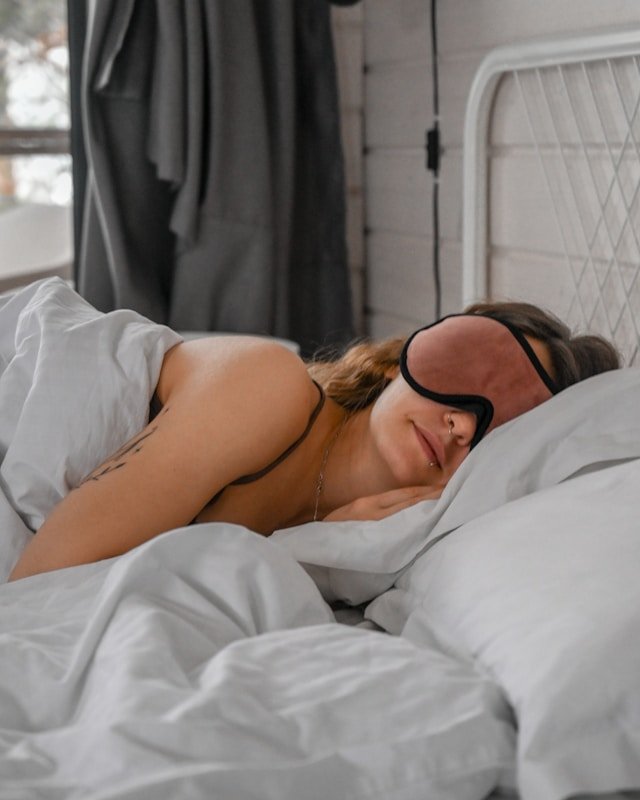
Photo by Dmitry Ganin on Unsplash
About Wellcore Weekly: Wellcore Weekly covers health, wellness, nutrition, sleep, fitness, and medical research with timely, easy-to-understand updates for everyday readers.