
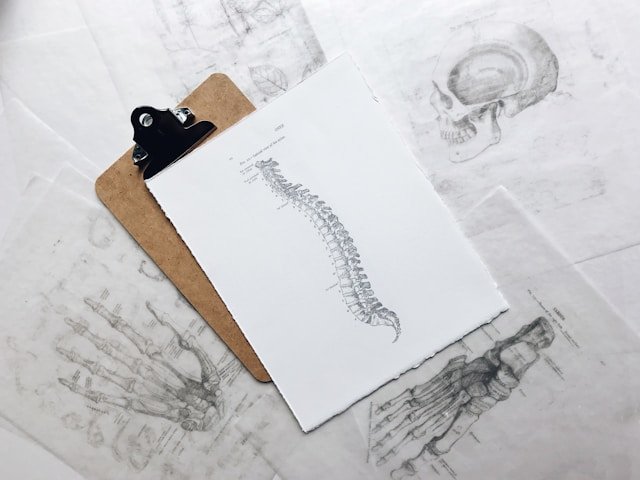
Black Chickpeas and Back Health What Nutrition Can—and Cannot—Do
Back discomfort has become a familiar problem for people who spend long hours sitting, working on computers, studying, driving or using phones. But when it comes to protecting the back, there is no single “superfood” that can make the spine stronger overnight.
Nutrition is one piece of the bigger picture.
Black chickpeas, commonly called kala chana, can be a useful addition to a balanced diet because they provide plant protein, fiber, folate, iron, magnesium, phosphorus and other nutrients. Those nutrients help support normal muscle function, energy metabolism and bone maintenance.
The important distinction is that black chickpeas support overall musculoskeletal health; they are not a treatment for back pain or a substitute for medical care, physical activity or good posture.
Why Back Health Is a Growing Concern
Modern lifestyles have changed how many people spend their days. Sitting for extended periods and getting too little physical activity can contribute to stiffness, reduced muscle conditioning and discomfort.
Back pain can have many causes, including muscle strain, poor movement patterns, injuries and certain medical conditions. Nutrition alone cannot determine the cause or fix an underlying spinal problem.
A healthier strategy is therefore comprehensive: regular movement, appropriate strengthening, adequate sleep, sensible ergonomics and a varied diet.
That is where foods such as black chickpeas can earn a place on the plate.
What Makes Black Chickpeas Nutritionally Useful?
Black chickpeas are legumes, making them a convenient source of plant-based protein and dietary fiber.
Protein provides amino acids that the body uses to maintain and repair muscle tissue. Strong, well-conditioned muscles around the trunk can contribute to everyday movement and physical function.
Fiber, meanwhile, supports digestive health and can help make meals more filling. Black chickpeas also contribute minerals such as magnesium and phosphorus, along with iron and folate.
Rather than viewing these nutrients as a direct “back-strengthening formula,” it is more accurate to see them as part of the nutritional foundation required for normal body function.
Protein Matters for Maintaining Muscle
The muscles surrounding the spine help stabilize the trunk and support movement.
Maintaining muscle requires adequate protein, along with regular physical activity. For people who eat mostly plant-based foods, legumes can be particularly useful because they provide protein alongside carbohydrates, fiber and micronutrients.
Black chickpeas can be combined with grains, vegetables, dairy or other protein sources to create balanced meals.
Examples include kala chana with brown rice, chickpea salad with yogurt, or a vegetable and chickpea curry served with whole grains.
The goal is not to eat huge quantities of one food. It is to consistently obtain enough nutrients from a variety of foods.
Magnesium and Other Minerals
Black chickpeas also contain magnesium, a mineral involved in hundreds of biochemical reactions in the body. Magnesium contributes to normal muscle and nerve function as well as normal energy metabolism.
Phosphorus is another mineral found in legumes and is important for normal bones and teeth.
Iron plays a different role. It contributes to normal hemoglobin formation and oxygen transport, making adequate iron intake important for normal energy and physical function.
These nutrients do not specifically repair damaged spinal discs or eliminate back pain. Their value comes from supporting the body’s normal systems as part of an adequate diet.
What About Inflammation?
It is tempting to label individual foods as “anti-inflammatory,” but the science is more complicated.
A person’s overall dietary pattern matters more than one ingredient. Diets containing a wide variety of legumes, vegetables, fruits, whole grains, nuts and seeds generally provide fiber and plant compounds that contribute to overall health.
Black chickpeas can fit comfortably into that pattern.
At the same time, persistent or severe back pain should not automatically be blamed on inflammation or diet. Pain that continues, worsens or is accompanied by concerning symptoms deserves appropriate medical evaluation.
Simple Ways to Eat Kala Chana
Black chickpeas are versatile and inexpensive.
Try them as a salad: Combine cooked kala chana with cucumber, tomato, leafy greens, lemon and herbs.
Make a simple curry: Cook them with vegetables and mild spices and serve with rice or whole-grain roti.
Use them as a snack: Season cooked chickpeas with lemon and spices for a filling option.
If you are increasing legumes in your diet, do so gradually and drink enough fluids, since a sudden increase in fiber can cause digestive discomfort for some people.
Nutrition Is Only Half the Picture
If your daily routine involves hours of sitting, adding black chickpeas to lunch will not solve the underlying problem.
Regular movement matters.
Getting up periodically, walking, changing positions and following an appropriate strength or mobility routine can help maintain physical function. People experiencing persistent back pain should consider guidance from a qualified healthcare professional before beginning exercises specifically for their symptoms.
The same principle applies to nutrition: individual needs vary according to age, activity level, dietary pattern and health circumstances.
The Bottom Line
The search for a single food that “strengthens the back” oversimplifies a complicated health issue.
Black chickpeas for back strength are best understood as part of a broader nutrition strategy. Their protein, fiber and micronutrients can contribute to normal muscle, bone, nerve and energy function, while a balanced diet supports overall health.
For today’s largely sedentary lifestyles, the most useful approach is simple: eat a varied diet, move regularly, strengthen appropriately, take sitting breaks and pay attention to persistent symptoms.
Kala chana can be a nutritious part of that routine—but it works best as one healthy piece of the bigger picture.
About Wellcore Weekly: Wellcore Weekly covers health, wellness, nutrition, sleep, fitness, and medical research with timely, easy-to-understand updates for everyday readers.