
Bionic Eyes Are Changing Lives How New Technology Is Restoring Functional Vision
For people living with severe vision loss, everyday tasks like walking through a doorway, recognizing obstacles, or moving safely around unfamiliar spaces can become overwhelming. While many eye diseases permanently damage vision, researchers are developing technologies that could help restore a level of functional sight for some patients.
One of the most promising advances is the bionic eye, also known as a retinal implant. Designed for certain individuals with conditions such as retinitis pigmentosa, these devices work by bypassing damaged light-sensing cells in the retina while using the remaining healthy visual pathways to send signals to the brain.
The system combines a tiny camera mounted on a pair of glasses with a small electronic implant placed inside the eye. The camera captures images from the surrounding environment, which are converted into electrical signals. These signals stimulate surviving retinal cells, allowing the brain to interpret basic visual information.
It’s important to understand what today’s technology can—and cannot—do. Bionic eyes do not restore normal eyesight or allow users to see detailed colors and faces like healthy vision. Instead, they provide functional vision, helping some users detect light, identify large objects, recognize movement, and navigate more safely through their surroundings.
Researchers continue to improve these devices by developing higher-resolution implants, more sophisticated image processing, and wireless technologies that may further enhance visual perception in the future. Clinical studies are also exploring ways to combine retinal implants with other emerging treatments, including gene therapy and stem cell research.
Although bionic eye technology is currently suitable for only specific eye conditions and is not a cure for blindness, it represents an important step forward in vision rehabilitation. For many recipients, even the ability to distinguish a doorway, locate a chair, or move through a room independently can have a profound impact on confidence and quality of life.
At Wellcore Weekly, we’ll continue following breakthroughs in eye health and medical technology as researchers work toward safer, more effective treatments that help people preserve—and in some cases regain—their independence through better vision.
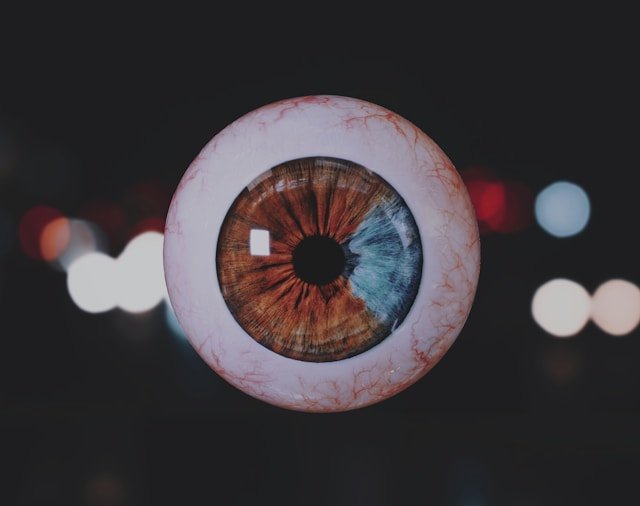
Photo by Abdelrahman A. Elyamany on Unsplash
About Wellcore Weekly: Wellcore Weekly covers health, wellness, nutrition, sleep, fitness, and medical research with timely, easy-to-understand updates for everyday readers.