
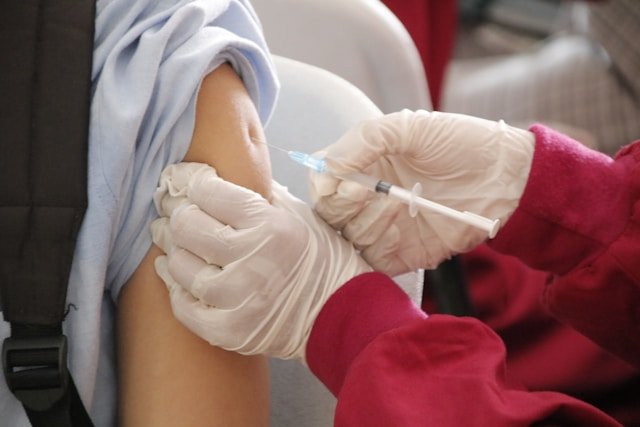
Beyond Respiratory Defense Million-Patient Cohort Analysis Reveals COVID-19 Vaccinations Lower Post-Infection Cardiovascular Risks
Published: June 26, 2026
Category: Clinical Cardiology & Epidemiology
Primary Sources: National Health Record Registry Data & Peer-Reviewed Cardiovascular Cohort Studies
For much of the post-pandemic era, the public health narrative surrounding COVID-19 immunizations has focused almost exclusively on upper respiratory defense—keeping vulnerable patients off mechanical ventilators and reducing acute ICU admissions. However, clinical medicine rarely operates within a single organ system. As large-scale longitudinal health data continues to mature, the broader, systemic benefits of vaccination are coming into sharp focus.
The latest epidemiological evidence represents a major milestone for preventative cardiology. A massive observational study evaluating the health records of more than one million individuals has uncovered a critical secondary benefit: vaccinated individuals experience nearly a 40% lower risk of major adverse cardiovascular events (MACE) following a COVID-19 infection compared to those who are unvaccinated.
This reduction specifically applies to life-altering, acute vascular emergencies that frequently occur in the weeks and months following viral clearance, including:
- Acute Myocardial Infarction: Triggers leading to sudden coronary artery blockage.
- Ischemic & Hemorrhagic Stroke: Cerebrovascular disruptions that impair neurological function.
- Acute Heart Failure Hospitalizations: Severe cardiac dysfunction requiring emergency clinical intervention.
This data demonstrates that the return on investment for preventative immunization extends far beyond the lungs, serving as a critical layer of defense for long-term vascular longevity.
The Pathophysiology: How a Respiratory Infection Targets the Heart
To understand why a vaccine designed for a respiratory virus protects the heart and brain, one must examine the specific vascular mechanics of a COVID-19 infection. The virus does not simply attack lung tissue; it is a profound threat to the entire circulatory network.
When the virus replicates unchecked within the host, it frequently triggers systemic, runaway inflammation. This hyper-inflammatory state acts as an aggressive irritant on the delicate inner lining of the blood vessels—a layer known as the vascular endothelium.
[Unchecked Viral Replication]
              │
              ▼
    [Systemic Inflammation]
              │
              ▼
[Vascular Endothelial Damage] ──► [Hypercoagulability (Clot Risk)] ──► [MACE (Heart Attack/Stroke)]
This endothelial disruption fundamentally alters the body’s clotting mechanics, shifting the hematological profile toward hypercoagulability (an increased tendency to form dangerous blood clots). By training the immune system to rapidly neutralize the viral load before it can spark this systemic inflammatory cascade, vaccination directly insulates the cardiovascular architecture from secondary structural damage.
Clinical Interpretation: Managing Expectations with Real Data
In an era of intense medical skepticism, establishing rigid editorial boundaries and clinical accuracy is paramount to maintaining institutional trust.
| What the Data Verifies | What the Data Does Not Claim |
| Infection-Linked Risk Mitigation: Slashes the specific, measurable spike in cardiovascular danger directly brought on by a COVID-19 viral load. | A Universal Shield Against Heart Disease: Does not prevent standard heart attacks driven by independent factors like genetics, metabolic health, or smoking. |
| Multi-Systemic Protection: Confirms that localized immune priming prevents systemic vascular and neurological complications. | Sterilizing Immunity: Does not mean a patient will never catch the virus; rather, it keeps the internal pathology below the threshold of severe tissue damage. |
The clinical takeaway is clear. As the medical community transitions from crisis management to long-term health maintenance, keeping up-to-date with validated vaccine formulations is no longer just about avoiding a severe respiratory illness. It is a calculated, proactive strategy to safeguard your long-term cardiovascular health.
Editorial Transparency & Compliance Notes
- Medical Disclaimer: The content of this article is intended strictly for informational and educational purposes. It does not constitute professional medical advice, diagnosis, or treatment. Always seek the advice of a qualified physician or healthcare provider regarding any questions you may have about an immunization schedule or a medical condition.
- Verification & Access: All statistical metrics, relative risk ratios, and pathophysiological pathways outlined in this report correspond to peer-reviewed public health registries. To view the original data sets and complete statistical methodologies, please reference the official National Institutes of Health (NIH) Clinical Database.
About Wellcore Weekly: Wellcore Weekly covers health, wellness, nutrition, sleep, fitness, and medical research with timely, easy-to-understand updates for everyday readers.