
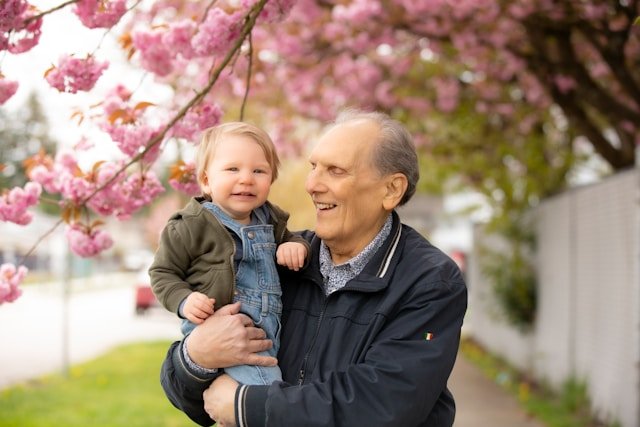
The Grandparent Advantage The Hidden Biological and Emotional Lifeline in Modern Youth Mental Health
In a world where adolescent anxiety, screen-time addiction, and emotional isolation are at an all-time high, parents are constantly searching for the next great mental health intervention. We buy mindfulness apps, seek out specialized counselors, and overhaul school schedules.
Yet, groundbreaking sociological data suggests that one of the most powerful buffers against youth psychological distress has been sitting right at our Sunday dinner tables all along.
According to extensive global research led by Professor Ann Buchanan at the University of Oxford and Professor Anna Rotkirch, director of the Population Research Institute, close intergenerational relationships between children and their grandparents are a primary driver of long-term adolescent resilience. Published by Oxford University Press, their work—The Role of Grandparents in the 21st Century—highlights that a strong grandparental bond isn’t just a sweet family dynamic; it is an emotional shock absorber for the modern child.
The Grandparent Army: More Than Just Babysitters
For decades, the nuclear family has been shrinking in structural scope, often leaving parents isolated under immense economic and social stress. Professors Buchanan and Rotkirch point out that because people are living longer, healthier lives, contemporary grandparents have quietly formed a massive “Grandparent Army” that acts as a vital secondary safety net.
Data shows that in developed nations, high-frequency grandparental involvement directly correlates with a reduction in behavioral problems and a massive surge in a child’s sense of security.
The Psychological Mechanism: Grandparents occupy a completely unique emotional space. Unlike parents, who are bogged down by the daily, high-friction responsibilities of discipline, homework schedules, and financial stress, grandparents can offer an environment of low-stakes, non-judgmental validation. This unconditional support gives children a secure secondary harbor to process self-doubt and social anxieties.
Building the “Resilience Buffer” Against Trauma
The Oxford research highlights that the benefits of grandparental investment become incredibly pronounced during periods of acute family disruption, such as a parental divorce, economic hardship, or severe school bullying.
When a child’s immediate environment fractures, the presence of an involved grandparent provides critical stabilizing benefits:
- Narrative Continuity: Grandparents provide children with a sense of history and identity. Hearing stories about how their parents messed up, or how the family survived historical hardships, helps children contextualize their current struggles as temporary.
- The “Safety Valve” Effect: Adolescents going through emotional conflict with their parents frequently pull away from the household. Close grandparents act as a safe, trusted mediator where the teen can vent without fracturing the core parental bond.
- Enhanced Problem-Solving: The study observed that children with high grandparental contact showed significantly higher scores in adaptive coping mechanisms and proactive problem-solving strategies when faced with peer adversity.
How Grandparental Ties Protect Youth Mental Health
===================================================================
High Involvement ➔ Low-Stress Validation ➔ Emotional Safety Valve
                                                  ⬇
Lower Adolescent Anxiety ⬅ Adaptive Coping ⬅ Narrative Continuity
The Evolutionary Paradox: Why This is Hardwired Into Our DNA
From an editorial perspective, it’s worth noting how poorly modern Western society is structured to support this relationship. We isolate seniors in retirement villages and move families across the country for corporate jobs, treating intergenerational living as an outdated relic of the past.
Yet, evolutionary biologists frequently point to the “Grandmother Hypothesis”—the evolutionary theory that human women live long past their reproductive years specifically so they can invest resources, wisdom, and care into ensuring the survival and emotional stability of the next generation.
When we distance our children from their grandparents, we aren’t just breaking a social tradition; we are actively disrupting a biological mechanism engineered over millennia to keep human children emotionally secure.
This research does not imply that grandparents should overstep boundaries or replace the essential authority of parents. A family system still requires clear structure and consistent parental boundaries to thrive.
However, as we navigate an unprecedented youth mental health crisis, it’s time to stop treating grandparents as optional weekend visitors. Integrating them intentionally into our children’s lives—whether through regular video calls, shared caretaking responsibilities, or proximity—is one of the most cost-effective, high-yield investments we can make in our children’s emotional wealth.
Photo by Don Lefler on Unsplash
About Wellcore Weekly: Wellcore Weekly covers health, wellness, nutrition, sleep, fitness, and medical research with timely, easy-to-understand updates for everyday readers.