
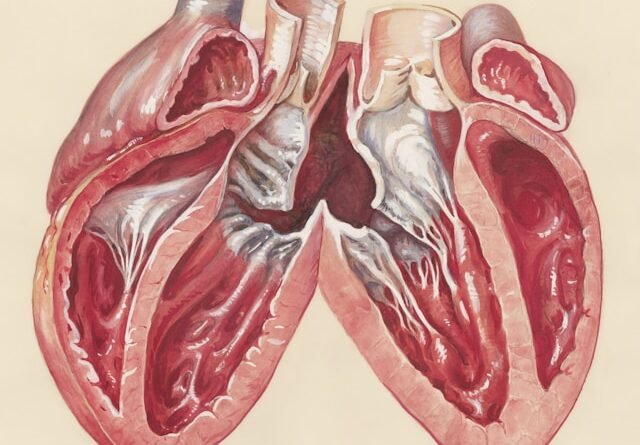
Beyond Cholesterol The Groundbreaking Science Linking Hidden Bacterial Biofilms to Heart Attacks
For decades, the standard playbook for preventing heart attacks has remained virtually unchanged: lower your cholesterol, watch your saturated fat intake, hit the gym, and manage your stress.
But what if we’ve been missing a massive piece of the puzzle?
A provocative, newly highlighted study out of Tampere University and the University of Oxford is forcing the medical community to look past the traditional “clogged pipe” metaphor of cardiovascular disease. Published in the Journal of the American Heart Association, the research suggests that heart attacks may not just be a metabolic issue—they might actually be triggered by stealth bacterial infections hiding right under our noses, or more accurately, inside our mouths.
The Hidden Invaders Inside Arterial Plaque
For years, doctors have known that arterial plaque is made of fat, cholesterol, and calcium. However, this new research uncovered something far more sinister embedded deep within those fatty deposits: bacterial biofilms.
Biofilms are essentially microscopic, gel-like fortresses that communities of bacteria build around themselves. The study revealed that these microbial invaders—specifically strains like viridans streptococci, which are normal residents of the human mouth—can migrate into the bloodstream and set up camp inside coronary arteries.
Why this matters: Once inside the plaque, these biofilms go dormant. They effectively become invisible to your immune system and are shielded from standard antibiotics. They can sit quietly inside your cardiovascular system for years, completely undetected by routine blood work.
The Domino Effect: How a Cold Could Trigger a Heart Attack
If these bacteria are just sitting there peacefully, what turns them deadly? The researchers mapped out a fascinating, multi-step chain reaction that bridges the gap between a common viral illness and a sudden cardiac event:
- The Viral Trigger: You catch a standard seasonal virus or respiratory infection.
- The Immune Surge: Your body’s immune system aggressively wakes up to fight off the virus, sending inflammatory signaling molecules flooding through your bloodstream.
- The Biofilm Re-activation: This sudden systemic inflammation disturbs the dormant bacterial biofilms hiding in your arteries. The bacteria reactivate, sparking a localized, intense surge of inflammation right inside the arterial wall.
- The Rupture: This acute inflammation rapidly destabilizes and weakens the structural cap of the cholesterol plaque, causing it to rupture, form a sudden clot, and block blood flow to the heart.
The Biofilm Heart Attack Chain Reaction
===================================================================
Oral Bacteria ➔ Enters Plaque ➔ Forms Biofilm ➔ Viral Infection ➔
Immune Surge  ➔ Biofilm Wakes Up ➔ Plaque Rupture ➔ Heart Attack
This explains a phenomenon doctors have observed for generations: why heart attack rates consistently spike during heavy flu seasons. It’s likely not just the stress of coughing or a fever; it’s an active biological war zone happening inside the plaque itself.
Shift the Focus: From the Medicine Cabinet to the Toothbrush?
From an editorial perspective, this study is a massive wake-up call regarding how compartmentalized modern medicine has become. We treat oral health as a cosmetic issue handled by dentists, and heart health as a structural issue handled by cardiologists. This data proves they are intimately connected.
While mainstream medicine isn’t going to abandon statins or cholesterol management anytime soon—nor should they—this discovery opens up a completely new frontier for preventative health.
If heart attacks have a root bacterial component, our future preventative tools might not just be cholesterol-lowering pills. We could be looking at targeted anti-biofilm therapies, specialized cardiac-focused mouthwashes, or even vaccines engineered to prevent viridans streptococci from binding to arterial walls in the first place.
This research doesn’t mean you can start eating fast food every day just because you floss. Lifestyle, genetics, and cholesterol still form the structural foundation of arterial plaque.
However, it does mean that optimal cardiovascular protection requires looking at the body as an interconnected ecosystem. Taking care of your gums and protecting your immune system from severe viral overloads might just be as critical to protecting your heart as monitoring your lipid panels.
About Wellcore Weekly: Wellcore Weekly covers health, wellness, nutrition, sleep, fitness, and medical research with timely, easy-to-understand updates for everyday readers.