
The Backyard Breakthrough Why Onco-Botanicals are Challenging How We Think About Cancer
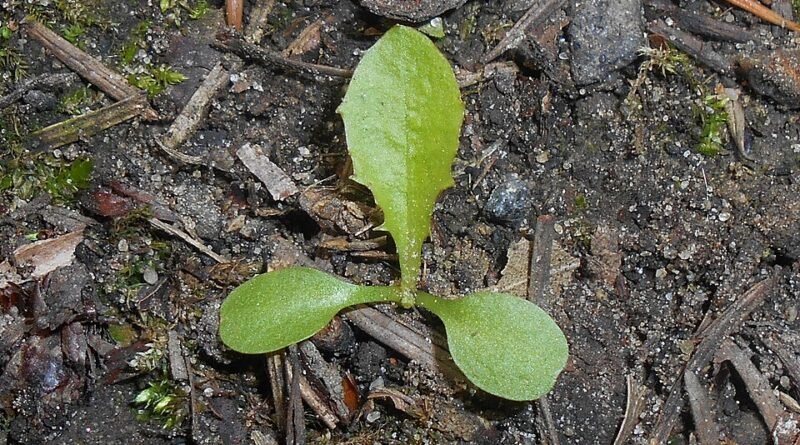
We spend millions of dollars every spring trying to eradicate them from our manicured lawns. But what if the humble, yellow-flowered weed we treat as an enemy is actually hiding one of the most compelling biological mechanisms in modern oncology?
For years, natural medicine enthusiasts have championed the healing properties of wild botanicals. Now, rigorous laboratory research is catching up to folklore. Teams of scientists, notably led by researchers at the University of Windsor in Canada, have been quietly investigating Dandelion Root Extract (DRE). What they found in the lab sounds like science fiction: a natural extract that aggressively forces cancer cells to self-destruct while leaving healthy tissues completely untouched.
But as with all breakthrough medicine, the gap between a glass petri dish and a human cure is where the real story lives.
The 48-Hour Eviction Notice: How It Works in the Lab
The magic word in oncology is selectivity. Traditional treatments like chemotherapy and radiation are chemical sledgehammers; they kill rapidly dividing cancer cells, but they take out your healthy gut lining, hair follicles, and immune system in the process.
Dandelion root extract acts less like a sledgehammer and more like a guided missile. In laboratory studies targeting aggressive cell lines—including pancreatic cancer, colon cancer, and chronic myelomonocytic leukemia—the extract consistently achieved a remarkable feat:
- Targeted Apoptosis: It triggers programmed cell death (apoptosis) in up to 95% of the cancer cells within a 48-hour window.
- Cellular Disruption: It systematically shuts down the cancer cells’ metabolic engines, effectively cutting off their energy supply.
- Healthy Tissue Sparing: Unlike standard chemotherapy combinations like FOLFOX, when the extract was applied to normal, healthy cells, those cells remained entirely unaffected and refractive to the treatment.
For anyone who has watched a loved one endure the grueling, soul-crushing side effects of conventional cancer therapy, the idea of a side-effect-free alternative growing right under our feet is profoundly exciting.
From Petri Dishes to People: The Hard Truth of Clinical Trials
It is incredibly easy to get swept up in the headline: “Dandelion kills 95% of cancer cells.” However, we have to look at these findings through a lens of responsible optimism.
There is a famous adage in medicine: “A handgun will kill cancer cells in a petri dish, but that doesn’t make it a viable cure.”
The human body is an incredibly complex, dynamic machine. When we ingest something, our digestive enzymes break it down, our liver metabolizes it, and our bloodstream dilutes it. Achieving the same high concentration of active dandelion compounds inside a human tumor that scientists achieve in a tiny plastic laboratory well is the ultimate hurdle.
The good news? The science isn’t stopping in the lab. This research has successfully paved the way for early-stage human clinical trials. Oncologists are evaluating how concentrated, standardized formulations of the extract perform alongside traditional therapies.
| Phase of Discovery | Scope | Current Status |
| In Vitro (Petri Dish) | Testing directly on isolated cancer cell lines. | Completed: Exceptional selectivity and apoptosis shown. |
| In Vivo (Animal Models) | Testing how the extract metabolizes in living organisms. | Ongoing: Crucial for tracking pathways like PI3K-Akt. |
| Clinical Trials (Human) | Evaluating safety and efficacy in actual patients. | Early Stages: Standardized formulations being assessed. |
Why This Matters for the Future of Medicine
This isn’t an argument to cancel your oncology appointments and start brewing backyard tea. Raw dandelions vary wildly in chemical potency, and self-treating aggressive malignancies with unstandardized roots is incredibly dangerous.
Instead, this discovery highlights a beautiful, philosophical shift in modern pharmacology. For decades, the pharmaceutical industry assumed that the more complex and synthetic a molecule was, the better it would fight disease. Dandelion root extract proves that nature has already spent millions of years perfecting elegant molecular designs.
We shouldn’t be pulling these weeds with anger; we should be studying them with reverence. The future of cancer care might not rely entirely on harsher, heavier chemicals—it might just mean listening a little closer to the solutions that have been growing right under our feet all along.
About Wellcore Weekly: Wellcore Weekly covers health, wellness, nutrition, sleep, fitness, and medical research with timely, easy-to-understand updates for everyday readers.