
Decoupling Metabolic Flexibility: The Biotin-Dependent Vulnerability in FBXW7-Mutant Tumors
Published: May 29, 2026 | Category: Oncology / Metabolic Oncology
Understanding the mechanisms behind metabolic plasticity remains one of the most critical frontiers in modern oncology. For years, clinicians have targeted “glutamine addiction”—a metabolic hallmark where rapidly proliferating cancer cells depend heavily on the amino acid glutamine to fuel cellular replication and survival.
However, therapeutic interventions designed to cut off glutamine pathways frequently encounter resistance. When starved of their primary nutrient supply, resilient tumor cells regularly activate alternative metabolic bypasses to survive.
A peer-reviewed study published in Molecular Cell by an international research team at the University of Lausanne reveals that this metabolic fallback mechanism relies entirely on a critical coenzyme interaction involving biotin (Vitamin B7). By utilizing genome-wide CRISPR-Cas9 screening and metabolic tracers, the study maps a distinct, targetable vulnerability in this survival loop.
Pyruvate Carboxylase and the Cellular “Backup Generator”
When primary glutamine pathways are restricted, cancer cells routinely adapt via anaplerosis—a process that replenishes metabolic intermediates. They accomplish this by upregulating a specific mitochondrial enzyme called pyruvate carboxylase (PC).
The Lausanne research team, led by Dr. Miriam Lisci and Dr. Alexis Jourdain, systematically profiled these adaptive pathways. Their functional nutrient-genetic profiling demonstrated that the PC enzyme requires biotin as an absolute structural cofactor to function.
By precisely restricting biotin availability within controlled laboratory models, researchers effectively paralyzed the PC enzyme. This modification prevented the cells from executing pyruvate anaplerosis, trapping the tumors in an absolute state of nutrient deprivation and successfully halting cellular growth.
Synthetic Lethality in FBXW7 Mutations
The clinical significance of this research deepens when evaluating specific oncogenic genetic profiles. The metabolic trap proved exceptionally lethal in tumors harboring mutations in the FBXW7 gene (F-box/WD repeat-containing protein 7).
                  THE METABOLIC ESCAPE PATHWAY
                 ______________________________

  [ Glutamine Deprivation ] ➡️ Upregulates Pyruvate Carboxylase (PC)
  [ Biotin Restriction ]    ➡️ Halts PC Function ➡️ Metabolic Collapse (FBXW7-Mutant)
The FBXW7 gene acts as a vital tumor suppressor that normally regulates the degradation of proto-oncogenic proteins like c-MYC. When FBXW7 is mutated—a common occurrence across a wide spectrum of human malignancies—c-MYC accumulates. This accumulation recruits transcriptional repressors (such as MAX and SIN3A) to the PC promoter, locking the cell into a state of hyper-dependence on this backup pathway.
Consequently, mutating this single brake pad makes the tumor uniquely vulnerable to targeted PC or biotin-pathway inhibition, creating a textbook opportunity for synthetic lethal therapeutic design.
Distinguishing Preclinical Mechanisms from Dietary Interventions
Because this research centers on biotin, a widely available water-soluble vitamin, public health communication regarding these findings requires precise boundary lines.
Clinical Reality Check: These findings are strictly confined to in vitro laboratory cultures and preclinical models. They do not imply that cancer patients should alter their dietary intake or eliminate Vitamin B7 from their daily nutrition.
Biotin remains a vital cofactor for healthy systemic lipid metabolism, normal nervous system functioning, and basic gene regulation across all non-malignant human tissues. Attempting to induce systematic biotin deficiencies via diet is clinically dangerous and lacks therapeutic efficacy.
Instead, the pharmaceutical objective resulting from this study is the development of highly localized, small-molecule inhibitors. These future therapies will target the biotin-binding pocket of pyruvate carboxylase or use localized delivery systems to restrict the nutrient exclusively within the microenvironment of the tumor, leaving healthy systemic tissues unaffected.
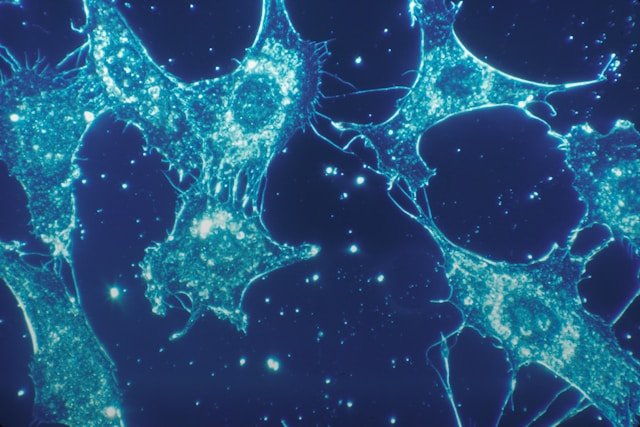
Photo by National Cancer Institute on Unsplash
About Wellcore Weekly: Wellcore Weekly covers health, wellness, nutrition, sleep, fitness, and medical research with timely, easy-to-understand updates for everyday readers.