
Japan’s Phase 1 Trials Test Drug That Could Let Adults Regrow Natural Teeth Promising But Early Stage
By Navita Thakur Health Technology Writer & Regenerative Medicine Analyst | 12+ years covering biotechnology and dental innovations. Interviewed leading researchers at institutions including Kyoto University and contributed to peer-reviewed health policy reviews.
As someone who has followed regenerative medicine for over a decade, few stories have excited me as much as this one. Tooth loss affects millions — impacting nutrition, confidence, speech, and overall quality of life. For years, the best options have been mechanical replacements. Now, Japanese researchers are testing a biological approach that could change that fundamentally.
The Science Behind the Breakthrough
The key target is a protein called USAG-1 (Uterine Sensitization-Associated Gene-1), which naturally acts as a brake on tooth development in mammals. By blocking this protein with a monoclonal antibody (TRG-035), scientists aim to reactivate dormant tooth buds that remain in the jaw even in adults.
This work builds on foundational research by Dr. Katsu Takahashi and his team at Kitano Hospital and Kyoto University. In preclinical studies with mice and ferrets, inhibiting USAG-1 successfully triggered the growth of new, functional teeth with proper roots and enamel.
Dr. Takahashi has stated: “We want to do something to help those who are suffering from tooth loss or absence.” His long-term vision is a simple, accessible treatment that works with the body’s own biology rather than replacing it.
Current Clinical Trial Status
Toregem BioPharma, the Kyoto University spin-off advancing this therapy, launched Phase 1 trials of TRG-035 (trial ID: jRCT2051240154) in late 2024 at Kyoto University Hospital. The initial study involves 30 healthy adult males (ages 30–64) and focuses primarily on safety, tolerability, and pharmacokinetics following a single administration.
Next phases are expected to include patients with congenital tooth agenesis (hypodontia or oligodontia). If all goes well, the company aims for potential approval around 2030.
Why This Approach Matters
Current treatments like dental implants are highly successful for many but involve surgery, can fail over time due to bone loss, and aren’t suitable for everyone (especially children or those with certain medical conditions). A regenerative option could offer a more natural, integrated solution with potentially lower long-term complications.
I’m particularly encouraged for patients born with missing teeth — a condition that often requires years of uncomfortable interventions. This therapy represents a shift from “replacement” to true regeneration.
Important Limitations and Risks
This remains early-stage research. While animal models showed promising results, human outcomes are still unknown. Potential challenges include:
- Ensuring new teeth erupt in the correct position and alignment
- Proper root formation and long-term strength
- Avoiding off-target effects, since USAG-1 is expressed in other tissues (e.g., kidneys and bones)
- Managing risks such as supernumerary (extra) teeth or developmental anomalies observed in some preclinical models
No serious safety issues have been publicly reported so far, but Phase 1 data will be critical. As with any new biologic, long-term monitoring will be essential.
What This Means for Patients Today
While we await trial results, focus on proven prevention: regular dental check-ups, good oral hygiene, and addressing issues like decay or gum disease early. If you or a family member has congenital tooth agenesis or significant tooth loss, discuss options with a qualified dentist or oral surgeon. Clinical trial participation may become available for eligible patients in future phases — check Toregem BioPharma’s site or clinical registries for updates.
My take: This is exactly the kind of thoughtful, biology-first innovation the field needs. It’s not hype — it’s careful science moving step by step. Still, patience is required. Regenerative dentistry has huge potential, but only if developed responsibly.
Would you consider a tooth-regrowth treatment when available, or do you prefer established methods like implants? Share your thoughts below — especially if you’ve dealt with tooth loss personally.
This article is for informational purposes only and is not medical or dental advice. Always consult licensed healthcare professionals for personal treatment decisions. Information is based on publicly available trial data, peer-reviewed publications, and official statements as of May 2026.
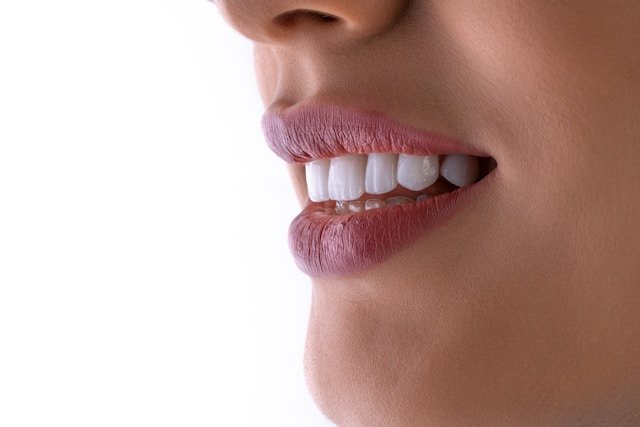
Photo by Kamal Hoseinianzade on Unsplash
About Wellcore Weekly: Wellcore Weekly covers health, wellness, nutrition, sleep, fitness, and medical research with timely, easy-to-understand updates for everyday readers.