
Dr. Mariangela Hungria Wins 2025 World Food Prize for Pioneering Bacterial Alternatives to Synthetic Fertilizers
A leading Brazilian soil microbiologist has been recognized with one of the highest honors in global agriculture. Dr. Mariangela Hungria, a senior researcher at the Brazilian Agricultural Research Corporation (EMBRAPA), was named the 2025 World Food Prize Laureate for her decades of work on biological nitrogen fixation.
Often referred to as the “Nobel Prize for Food and Agriculture,” the World Food Prize honors individuals whose breakthroughs significantly enhance the quality, quantity, or availability of food worldwide. Dr. Hungria received the $500,000 award for developing practical microbial technologies that enable crops to naturally obtain nutrients, reducing dependence on synthetic fertilizers.
Decades of Research at EMBRAPA
Dr. Hungria has spent more than 40 years at EMBRAPA’s National Soybean Center, focusing on soil microbiology and symbiotic relationships between plants and beneficial bacteria. Her team identified and optimized specific bacterial strains—particularly Bradyrhizobium and Azospirillum species—that form partnerships with crop roots.
These bacteria convert atmospheric nitrogen into forms plants can use, a natural process known as biological nitrogen fixation (BNF). By applying these microbes as seed treatments, farmers can maintain or improve yields while using fewer chemical inputs.
According to the World Food Prize Foundation, Dr. Hungria has developed more than 30 biological technologies that are now applied to major crops including soybeans, maize, wheat, and others.
Scale of Impact in Brazil and Beyond
The adoption of these technologies has been substantial:
- Used across more than 40 million hectares in Brazil.
- Estimated annual savings for Brazilian farmers: approximately US$40 billion.
- Significant reduction in synthetic fertilizer use, contributing to lower greenhouse gas emissions.
These figures come directly from official announcements tied to the 2025 award. Brazil’s success in transforming from a food importer to a major global exporter has been partly attributed to such sustainable practices.
Environmental and Agricultural Benefits
Reducing reliance on synthetic nitrogen fertilizers can help address several well-documented challenges in modern agriculture, including nutrient runoff into waterways and high energy costs associated with fertilizer production. Dr. Hungria’s work provides farmers with low-cost, locally adaptable tools that work with natural soil processes rather than replacing them.
While long-term studies continue on broader ecosystem effects, environmental scientists generally view decreased chemical fertilizer application as positive for soil health and water quality over time.
A Model for Sustainable Farming
What stands out about Dr. Hungria’s approach is its practicality. The bacterial inoculants are relatively inexpensive to produce and easy for farmers to apply at planting time. This makes the technology accessible not only to large operations but also to smaller producers in tropical regions.
Her research emphasizes field testing and direct collaboration with farmers—ensuring that laboratory discoveries translate into real-world results. As global food demand grows amid climate pressures, such biologically based solutions are drawing increasing attention from researchers and policymakers.
Dr. Hungria has noted the honor as particularly meaningful as a woman in science, highlighting the importance of continued investment in agricultural research.
Looking Ahead
The 2025 World Food Prize underscores a broader shift toward precision biology in agriculture. While synthetic fertilizers will likely remain part of the toolkit in many systems, innovations like Dr. Hungria’s offer proven pathways to use them more efficiently—or in some cases, substantially reduce them.
For farmers, agribusinesses, and anyone interested in food system resilience, this recognition provides encouraging evidence that targeted microbial solutions can play a meaningful role in sustainable productivity.
Source: Official announcements from the World Food Prize Foundation and EMBRAPA.
What are your thoughts on biological alternatives to traditional fertilizers? Have you seen these practices in your region? Feel free to share in the comments.
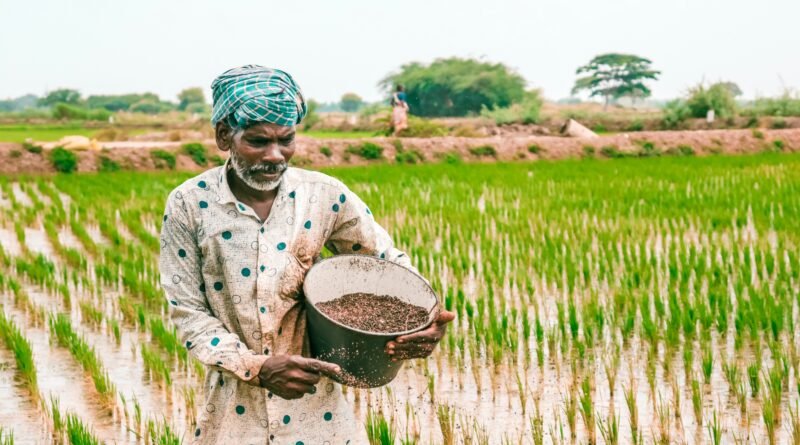
Photo by Gowtham AGM on Unsplash
About Wellcore Weekly: Wellcore Weekly covers health, wellness, nutrition, sleep, fitness, and medical research with timely, easy-to-understand updates for everyday readers.