
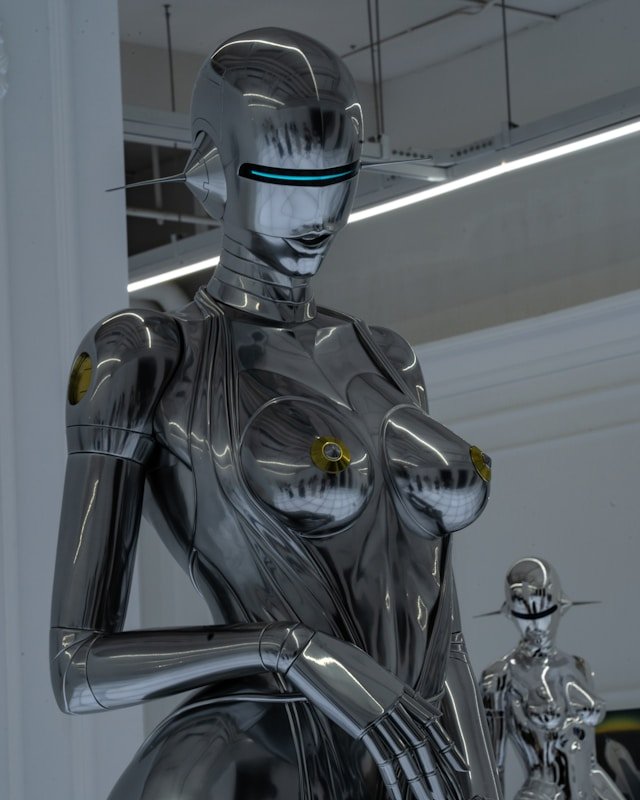
Beyond the Matrix: Are Pregnancy Robots a Miracle for Infertility or a Sci-Fi Nightmare?
We have all seen the viral, hyper-realistic animations circulating online: sterile, glowing factory floors lined with thousands of transparent, mechanical pods, each incubating a human fetus. For years, viral concepts like the internet-famous “EctoLife” project have been dismissed as dystopian clickbait or sci-fi horror.
But behind the sensationalist headlines about “pregnancy humanoids” and “robot surrogates,” a massive shift is happening. What was once considered the absolute fringe of science fiction is steadily crawling into the world of medical reality.
Artificial Womb Technology (AWT)—or ectogenesis—is no longer a question of if, but when. And as the line between biology and machinery blurs, we are forced to ask: just because we can untether human birth from the human body, does that mean we should?
The Real Science Inside the “Biobag”
Let’s separate the internet hoaxes from actual science. No, there is no factory in China or Germany mass-producing lab-grown babies. Complete ectogenesis—growing a human being entirely in a machine from conception to full-term birth—remains decades away.
However, partial ectogenesis is right on our doorstep.
Researchers around the globe, from the Children’s Hospital of Philadelphia to teams in Japan and Australia, have already successfully kept premature animal fetuses alive inside highly advanced external “biobags.” These devices act as artificial amniotic sacs, hooked up to synthetic placentas that pump fluid, oxygen, and nutrients without damaging fragile, undeveloped lungs.
The initial goal of this research is entirely noble: saving the lives of critically premature infants born before 22 weeks, whose survival rates are currently devastatingly low. But it takes very little imagination to see where this bridge leads.
A Beacon of Hope for Imperfect Biology
For millions of people, the development of a fully functional artificial womb sounds less like a sci-fi nightmare and more like an answered prayer.
Consider the couples struggling with severe, irreversible infertility. Consider women who have had to undergo life-saving hysterectomies due to cancer, or those for whom carrying a child to term poses a fatal health risk. For these families, the traditional paths to parenthood are emotionally grueling, incredibly expensive, and fraught with legal barriers.
In a world where commercial surrogacy can easily cost upwards of $100,000 and frequently borders on the exploitation of low-income women, a strictly regulated, safe artificial womb could level the playing field. It offers a path to biological parenthood free from the physical toll and systemic inequalities of the current surrogacy market.
Severing the Final Biological Bond
Yet, it is entirely fair to feel a profound sense of unease. Pregnancy is not just a mechanical incubation period; it is a foundational human experience.
If we completely automate gestation, what happens to the psychological, hormonal, and auditory bonding that occurs between a mother and a child in utero? Are we prepared for the terrifying legal and ethical minefields this creates? If a fetus is developing inside a machine, who owns the rights to it if the parents separate mid-gestation?
Even worse, the technology risks creating a deeply dystopian “gestational stratification.” We could easily see a two-tier society where wealthy elites pay premium prices to outsource the physical burden of pregnancy to flawless, temperature-controlled “premium pods,” while natural pregnancy is devalued or relegated to those who can’t afford the upgrade.
The Future is Coming, Ready or Not
We are rapidly approaching a massive cultural and legal crossroad. The medical community is building the tracks for this technology, but society hasn’t even begun to figure out where the train is supposed to go.
Whether you view the “pregnancy robot” era as a miraculous triumph over human suffering or the ultimate devaluation of the sacred act of birth, one thing is certain: the conversation can no longer be ignored. The machines are being built. It’s time to figure out what it truly means to be born.
Photo by Xu Haiwei on Unsplash
About Wellcore Weekly: Wellcore Weekly covers health, wellness, nutrition, sleep, fitness, and medical research with timely, easy-to-understand updates for everyday readers.