
A New Brain-Repair Drug Without the Trip? Science Is Getting Closer
Rethinking How We Treat the Brain
For years, mental health treatments have mostly focused on managing symptoms—lifting mood, reducing anxiety, stabilizing behavior. But what if we could go deeper? What if we could actually repair the brain itself?
That’s exactly what researchers at University of California, Davis are trying to do with a new experimental compound called JRT.
Inspired by LSD—But Without the Hallucinations
The science behind this is both fascinating and a little unexpected. Researchers started with LSD, a substance known for its powerful effects on perception—but also for its ability to promote brain plasticity.
Then they made a precise tweak—changing just a couple of atoms. That small shift created something very different: a non-hallucinogenic compound that still keeps LSD’s brain-repairing potential.
The result? A new class of molecules often called “neuroplastogens”—drugs designed to help the brain rewire itself.
What Makes This So Promising
In early (preclinical) studies, this compound showed some striking effects:
- Significant increase in connections between brain cells
- Nearly 100 times more potent than Ketamine in certain models
- No hallucinogenic or psychosis-linked activity
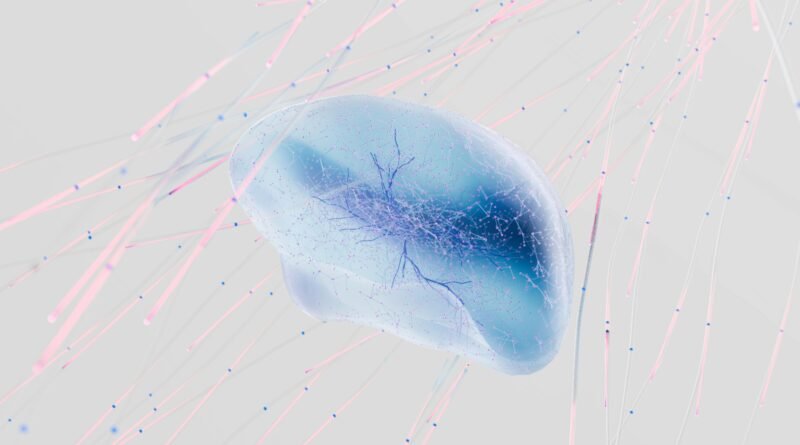
In simple terms, it appears to help neurons grow and reconnect—without the intense psychological effects that limit the use of psychedelics in many patients.
Why This Matters for Mental Health
Many psychiatric conditions—like depression, PTSD, and schizophrenia—aren’t just about “chemical imbalance.” They’re also linked to loss of connections between brain cells.
That’s where Neuroplasticity comes in. If you can restore those connections, you’re not just treating symptoms—you’re addressing the underlying problem.
This could be especially important for people who’ve been left out of current treatments, including those with conditions where psychedelics are considered too risky.
Let’s Keep It Real for a Second
This sounds like a breakthrough—and it might be—but it’s still early. These results are from preclinical research, not large human trials yet.
We’ve seen promising compounds before that didn’t fully translate into real-world treatments. So while the excitement is justified, it’s also important to stay grounded.
The Bigger Shift in Medicine
What makes this development so interesting isn’t just the drug itself—it’s the direction science is heading.
Instead of asking, “How do we manage symptoms?” researchers are starting to ask, “How do we rebuild what’s been lost?”
That’s a completely different mindset—and it could reshape how we treat mental health in the future.
An Honest Take
If this kind of therapy works in humans, it could be a turning point. A treatment that repairs brain connections without altering perception in extreme ways would open the door for many people who currently have limited options.
But we’re not there yet. And pretending we are does more harm than good.
The idea of a drug that helps the brain rebuild itself—without the risks of psychedelics—sounds almost too good to be true.
But science has a way of turning “impossible” into “early-stage reality.”
For now, this is a glimpse of what the future might look like. And if it continues in this direction, mental health treatment could move from managing the mind… to actually restoring it.
About Wellcore Weekly: Wellcore Weekly covers health, wellness, nutrition, sleep, fitness, and medical research with timely, easy-to-understand updates for everyday readers.