
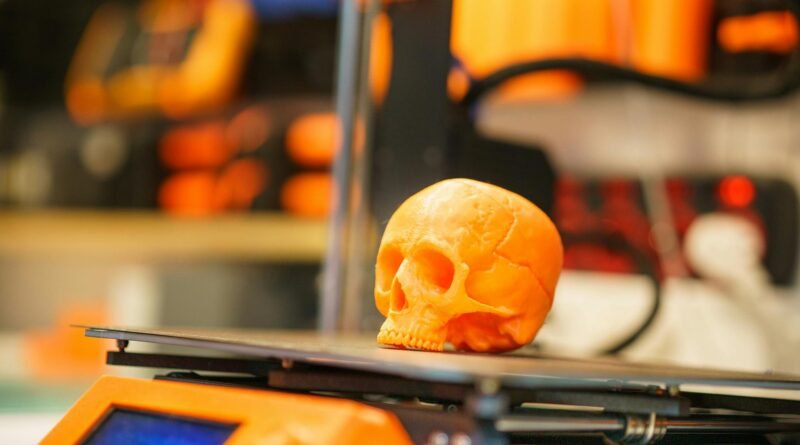
3D-Printed Bones: A Medical Breakthrough Transforming Surgery
A New Era in Surgical Innovation
Modern medicine is constantly evolving, and one of the most exciting innovations transforming healthcare today is 3D-printed bone implants. Surgeons and biomedical engineers are now able to create customized bone structures tailored to individual patients, improving surgical precision and recovery outcomes.
Traditional treatments for severe bone damage often involve metal implants, plates, or bone grafts taken from another part of the patient’s body. While these approaches have saved many lives, they can come with complications such as limited availability of graft material, poor fit, or long recovery periods.
3D printing technology is helping overcome these challenges by producing patient-specific implants designed from medical imaging scans.
How 3D-Printed Bones Are Created
The process begins with detailed medical imaging such as CT or MRI scans. These images allow doctors to build a digital 3D model of the damaged bone area. Engineers then design a custom implant that matches the patient’s anatomy exactly.
Using additive manufacturing—commonly known as 3D printing—the implant is created layer by layer from biocompatible materials such as titanium or specialized polymers. This technology allows highly complex structures that closely mimic natural bone architecture.
In many cases, these implants include porous structures that encourage natural bone cells to grow through them, helping the implant integrate with the body over time.
⚙️ Why This Technology Matters
3D-printed bone implants are changing surgery in several important ways:
1. Personalized Treatment
Each implant is designed specifically for the patient, allowing surgeons to achieve better alignment and functionality.
2. Faster Recovery
A precise fit often means shorter surgery times and improved healing.
3. Improved Surgical Planning
Doctors can also print anatomical models before surgery, helping them practice and plan complex procedures.
4. Better Outcomes for Complex Injuries
Large bone defects—such as those caused by trauma or congenital conditions—can be repaired more effectively with customized implants.
Real-World Applications
3D-printed implants are already being used in several types of procedures, including:
- Jaw reconstruction surgeries
- Spinal implants
- Skull and facial reconstruction
- Hip and joint replacements
In some experimental techniques, surgeons can even print bone-like scaffolds directly onto damaged areas during surgery, encouraging new bone tissue to grow naturally.
These advances highlight how quickly medical technology is evolving.
Watch: How 3D-Printed Bone Implants Work
https://youtube.com/watch?v=OAGwXMpPhxU%3Frel%3D0%26playsinline%3D1%26origin%3Dhttps%253A%252F%252Fchatgpt.com%26enablejsapi%3D1%26widgetid%3D3%26forigin%3Dhttps%253A%252F%252Fchatgpt.com%252Fc%252F69c8ef8d-ae64-8321-8cb8-337a6ec7a0b6%26aoriginsup%3D1%26vf%3D1
This video explains how doctors design, print, and implant customized bone structures that integrate with the human body.
🐦
The Future of Bone Repair
Researchers believe that 3D printing could eventually allow doctors to produce fully biological bone tissue using living cells. If successful, this technology could eliminate the need for donor bone grafts entirely.
Although further research and clinical trials are still needed, the progress so far suggests that 3D-printed bones may become a standard part of surgery in the future.
What once sounded like science fiction is now becoming reality—bringing medicine one step closer to personalized, high-precision healthcare.
Photo by Jakub Zerdzicki:
About Wellcore Weekly: Wellcore Weekly covers health, wellness, nutrition, sleep, fitness, and medical research with timely, easy-to-understand updates for everyday readers.