
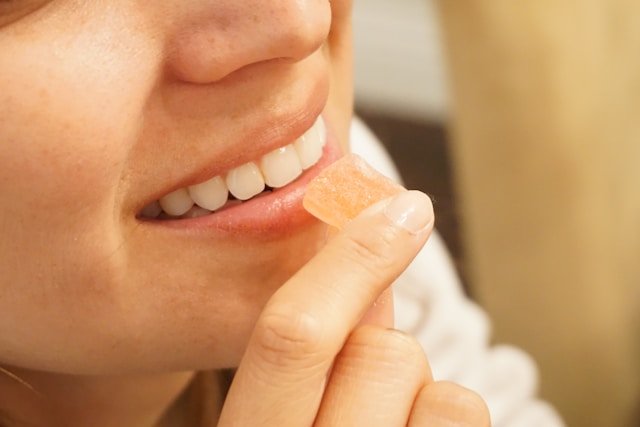
Study Examines Microplastic Release During Chewing Gum Use
Chewing gum is a daily habit for millions of people, often used to freshen breath or improve focus. While it has long been considered a routine consumer product, researchers are beginning to investigate whether chewing gum may contribute to everyday exposure to microplastics.
A recent pilot study by researchers at the University of California, Los Angeles (UCLA), presented at a meeting of the American Chemical Society (ACS), explored how tiny plastic particles may be released from certain chewing gums during normal use.
Because the research is preliminary, scientists emphasize that additional studies are needed to better understand the potential health implications of these findings.
What the Researchers Found
The study examined several types of chewing gum and found that small particles were released into saliva during the chewing process.
Researchers observed that the amount varied among products, with most particles being released during the first several minutes of chewing.
The study focused on measuring particle release rather than evaluating whether the observed exposure leads to health effects.
Natural and Synthetic Gum
The researchers also compared gums marketed as “natural” with more conventional products.
According to the study, both categories released measurable particles during chewing, although the composition and quantity differed between products.
The findings suggest that consumers should not assume that marketing terms alone indicate differences in particle release.
What Are Microplastics?
Microplastics are very small plastic particles that have been detected in air, water, soil, food, and many everyday consumer products.
Scientists are actively studying how people are exposed to microplastics and whether long-term exposure has meaningful effects on human health.
At present, researchers continue to investigate these questions, and many aspects remain under study.
What This Means for Consumers
The study does not conclude that chewing gum causes disease or that occasional gum use is unsafe.
Instead, it adds to a growing body of research examining the many ways people may encounter microplastics in daily life.
Researchers encourage continued investigation into how consumer products are manufactured, how materials are labeled, and whether product designs can reduce unnecessary particle release.
As scientific understanding of microplastics continues to evolve, additional studies will help clarify how different products contribute to overall exposure and whether changes in manufacturing materials could reduce that exposure.
For consumers, maintaining good oral hygiene and following general dietary and health recommendations remain the most practical steps while research continues.
The findings highlight an emerging area of environmental and public health research rather than providing definitive conclusions about the health effects of chewing gum.
Photo by Elsa Olofsson on Unsplash
About Wellcore Weekly: Wellcore Weekly covers health, wellness, nutrition, sleep, fitness, and medical research with timely, easy-to-understand updates for everyday readers.