
Bioengineered “Mini Pancreases” Advance Type 1 Diabetes Research, but Clinical Use Remains Years Away
Published: July 1, 2026 | Category: Regenerative Medicine & Endocrinology
Scientists are continuing to explore whether bioengineered pancreatic tissue could one day help restore the body’s natural ability to regulate blood sugar in people with Type 1 diabetes. Although the technology remains in the research stage, recent advances in tissue engineering, stem cell biology, and biomaterials are expanding the possibilities for future diabetes treatment.
Current diabetes care has improved significantly through innovations such as continuous glucose monitors (CGMs), insulin pumps, and automated insulin delivery systems. These technologies help many patients achieve better glucose control, but they do not replace the body’s lost insulin-producing cells.
Researchers supported by organizations including the National Institute of Diabetes and Digestive and Kidney Diseases (NIDDK) and the Human Islet Research Network (HIRN) are studying bioengineered “mini pancreases” that could eventually provide a more biologically integrated approach.
Understanding the Goal
Type 1 diabetes develops when the immune system destroys pancreatic beta cells, which produce insulin. Without these cells, people require lifelong insulin replacement therapy to regulate blood glucose.
Bioengineered pancreatic implants are designed to address this underlying loss by introducing living insulin-producing cells into the body. The objective is to create tissue capable of sensing glucose levels and releasing insulin in response, similar to the function of a healthy pancreas.
Researchers emphasize that these technologies remain experimental and are not currently available as standard clinical treatment.
Why Traditional Islet Transplants Have Been Limited
Transplanting healthy pancreatic islet cells has demonstrated that restoring insulin production is biologically possible. However, widespread use has faced several longstanding challenges.
These include:
- Limited availability of donor pancreatic tissue
- The need for lifelong immunosuppressive medications
- Risk of transplant rejection
- Gradual decline in transplanted cell function over time
Scientists are developing new approaches intended to overcome these barriers.
Emerging Research Strategies
Several areas of regenerative medicine are receiving significant research attention.
Protective Biomaterial Capsules
One strategy involves enclosing insulin-producing cells within specially designed biomaterials.
These semipermeable capsules are intended to:
- allow glucose and oxygen to reach the cells
- permit insulin to leave the implant
- reduce exposure to immune cells that could attack transplanted tissue
Researchers continue to evaluate how effectively these materials perform over long periods.
Improved Blood Supply
Healthy pancreatic tissue requires a continuous oxygen supply.
To improve long-term survival after implantation, scientists are investigating scaffold designs that encourage rapid blood vessel formation around transplanted tissue.
This area of research seeks to improve both cell survival and insulin production.
Alternative Cell Sources
Because donor pancreases are limited, investigators are also studying additional sources of insulin-producing cells, including:
- stem-cell-derived beta cells
- laboratory-grown pancreatic tissue
- animal-derived (xenogeneic) islet cells under carefully controlled research protocols
These approaches may eventually provide a more scalable source of transplantable tissue if proven safe and effective.
Comparing Current Technology with Experimental Implants
| Feature | Current Automated Insulin Systems | Experimental Bioengineered Pancreas |
|---|---|---|
| Insulin delivery | External pump | Living insulin-producing cells |
| Glucose detection | Continuous glucose monitor | Natural cellular glucose sensing |
| Daily maintenance | Regular sensor and infusion set changes | Intended to function as an implanted tissue (still experimental) |
| Development stage | Widely available | Preclinical and early research |
Current Stage of Development
Despite encouraging laboratory findings, bioengineered pancreatic implants have not yet become routine medical therapy.
Most research remains in preclinical testing using laboratory and animal models. Investigators are evaluating:
- long-term safety
- immune compatibility
- durability of implanted tissue
- optimal implantation sites
- ability to retrieve or replace implants if necessary
Human clinical trials will require additional research demonstrating both safety and effectiveness before regulatory approval can be considered.
Looking Ahead
Experts describe regenerative medicine as one of the most promising long-term research areas for Type 1 diabetes.
Although today’s standard treatments continue to rely on insulin replacement, advances in tissue engineering may eventually expand future therapeutic options.
Researchers caution that additional years of clinical testing will be necessary before bioengineered pancreatic implants could become part of routine patient care.
For now, maintaining recommended diabetes management—including insulin therapy, regular monitoring, and ongoing medical follow-up—remains the foundation of treatment.
Editorial Standards
Sources: National Institute of Diabetes and Digestive and Kidney Diseases (NIDDK); Human Islet Research Network (HIRN); peer-reviewed regenerative medicine and pancreatic islet transplantation research.
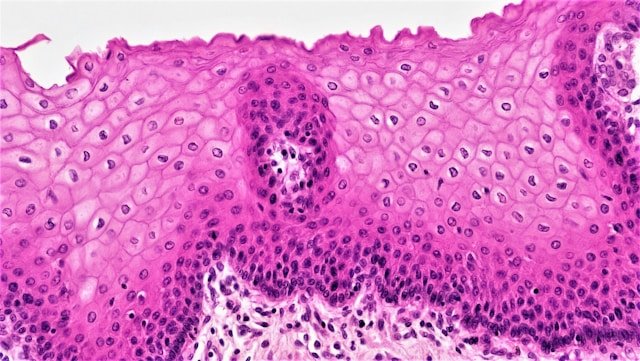
Photo by Bioscience Image Library by Fayette Reynolds on Unsplash
About Wellcore Weekly: Wellcore Weekly covers health, wellness, nutrition, sleep, fitness, and medical research with timely, easy-to-understand updates for everyday readers.