
Structural Cardiology MilestonesThe Evolution of Transcatheter Tricuspid Valve Replacement
The landscape of structural cardiology is undergoing a fundamental shift away from highly invasive open-chest operations toward specialized, catheter-based interventions. Historically, when a patient developed severe valvular dysfunction, the standard therapeutic pathway required a full median sternotomy—a highly traumatic surgical procedure involving the mechanical splitting of the sternum and the initiation of cardiopulmonary bypass.
For a significant demographic of elderly, frail, or multi-morbid patients, the physiological stress of open-heart surgery carries prohibitive mortality risks, frequently leaving them with limited, palliative medical management.
However, recent clinical milestones in Germany have demonstrated the growing viability of next-generation transcatheter therapies designed specifically for the right side of the heart. Interventional cardiologists successfully implanted advanced, bioprosthetic replacement valves within the native tricuspid position of two high-risk patients. Crucially, the procedures were completed percutaneously via standard venous access, entirely eliminating the need for surgical thoracotomy or cardiac arrest.
The Anatomical Dilemma: Why the Tricuspid Valve Presents Unique Challenges
While transcatheter aortic valve replacement (TAVR) has achieved widespread clinical adoption over the past decade, adapting identical catheter-delivery systems to treat the tricuspid valve has historically been limited by complex anatomical constraints. The structural properties of the right side of the heart present several distinct engineering challenges:
[Aortic Architecture: Rigid, Fibrous Circular Ring]    ──> Predictable Device Anchoring
[Tricuspid Architecture: Large, Compliant, Irregular] ──> High Risk of Device Migration or Paravalvular Leakage
Unlike the aortic root, which possesses a rigid, fibrous, and relatively symmetric circular anatomy, the tricuspid valve apparatus is highly compliant, non-planar, and irregular in shape. Furthermore, the surrounding right ventricular tissue is thin and fragile, operating under significantly lower pressure dynamics than the left side of the heart.
Engineering a self-expanding prosthetic matrix capable of safely anchoring within this large, dynamic orifice without causing structural tissue tears or conducting systemic electrical blockages represents a major breakthrough in biomedical design.
Physiological Optimization and Clinical Impact
The transition to completely percutaneous structural heart interventions provides clear clinical advantages regarding patient homeostasis and post-operative recovery timelines. By utilizing the femoral vein as the primary point of access, clinicians can navigate the delivery catheter directly through the inferior vena cava into the right atrium.
The avoidance of an open surgical field alters several critical recovery metrics:
- Mitigation of Systemic Inflammatory Response Syndrome (SIRS): Eliminating the requirement for a cardiopulmonary bypass circuit preserves natural hematological baselines and significantly reduces the incidence of post-operative neurological deficits.
- Preserved Skeletal Integrity: Avoiding a sternotomy prevents the prolonged wound-healing phases and potential infectious complications associated with bone healing, accelerating physical rehabilitation.
- Therapeutic Options for Refractory Regurgitation: This technique provides an objective intervention for patients suffering from severe tricuspid regurgitation who have become refractory to maximum-dose diuretic therapies.
Long-Term Operational Considerations
Despite the immediate success of these initial structural procedures, long-term clinical evaluation remains mandatory. Because transcatheter tricuspid valve replacements are a relatively recent innovation, data tracking the structural valve degeneration, thrombosis risks, and long-term hemodynamic performance over a 5-to-10-year tracking window is still accumulating within global clinical registries.
| Operational Parameter | Conventional Surgical Valve Replacement | Transcatheter Tricuspid Intervention |
| Surgical Approach | Full median sternotomy or right minithoracotomy. | Percutaneous transfemoral venous access. |
| Myocardial Protection | Cardioplegic arrest on a heart-lung bypass machine. | Conducted on a beating heart under fluoroscopic guidance. |
| Typical Recovery Duration | 6 to 12 weeks for complete structural stabilization. | Often restricted to 48–72 hours of post-procedure monitoring. |
| Patient Stratification | Limited primarily to low- or intermediate-risk candidates. | Highly viable for patients deemed high-risk or inoperable. |
The baseline trajectory of modern cardiovascular medicine continues to prioritize micro-interventional precision over macroscopic surgical trauma. By translating intricate structural reconstructions into precise, catheter-guided procedures, interventional cardiology is systematically expanding the boundaries of patient eligibility and redefining the recovery profiles of complex cardiac care.
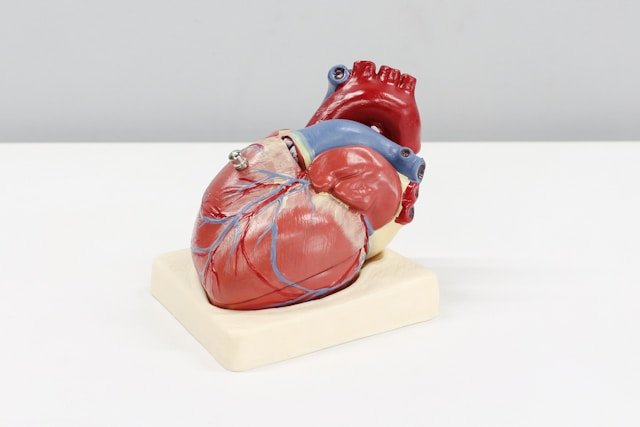
Photo by Ali Hajiluyi on Unsplash
About Wellcore Weekly: Wellcore Weekly covers health, wellness, nutrition, sleep, fitness, and medical research with timely, easy-to-understand updates for everyday readers.